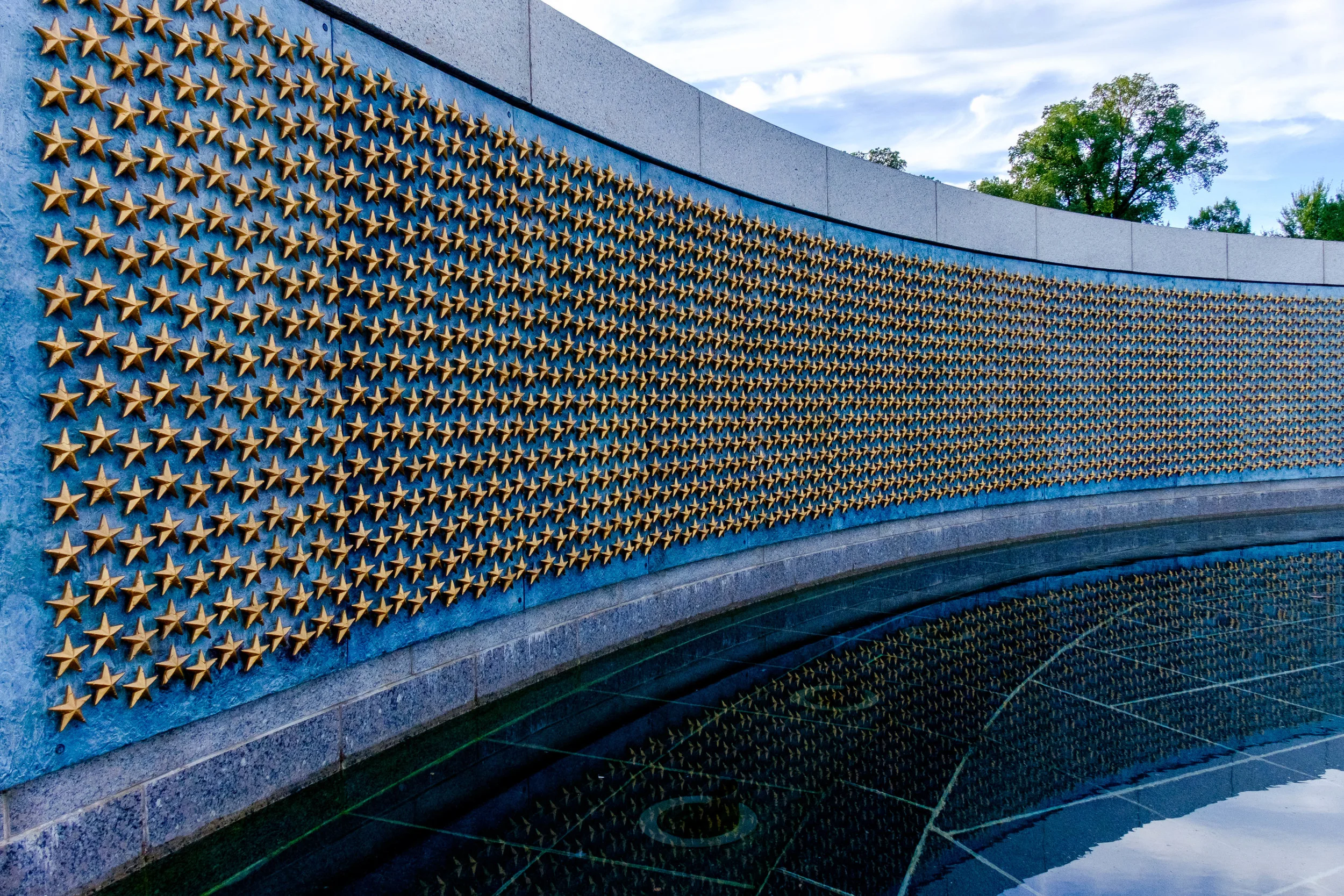
There are many ways to understand the cost of war. The one that I expect most people would first think of is the human cost in lives lost and dreams forever stilled. For WWII the cost was very high. The United States bore only a small portion of that cost but it was still significant. The wall at the World War II Memorial has a gold star representing every 100 soldiers killed in battle. It is sobering to sit in front of the stars reflected in the pool in front of it and be humbled by those who made that sacrifice. Which brings another cost to the war, that of letting the sacrifice mean less than it should by allowing the freedom and the values that drove these soldiers into battle to be lost. That makes the cost too high.
Seventy-five Years Ago /
On an otherwise quiet ordinary Sunday morning Japan attacked the United States at Pearl Harbor. America had entered the war. The World War II Memorial in DC is one of the newer of the National Park's many sites in the District.
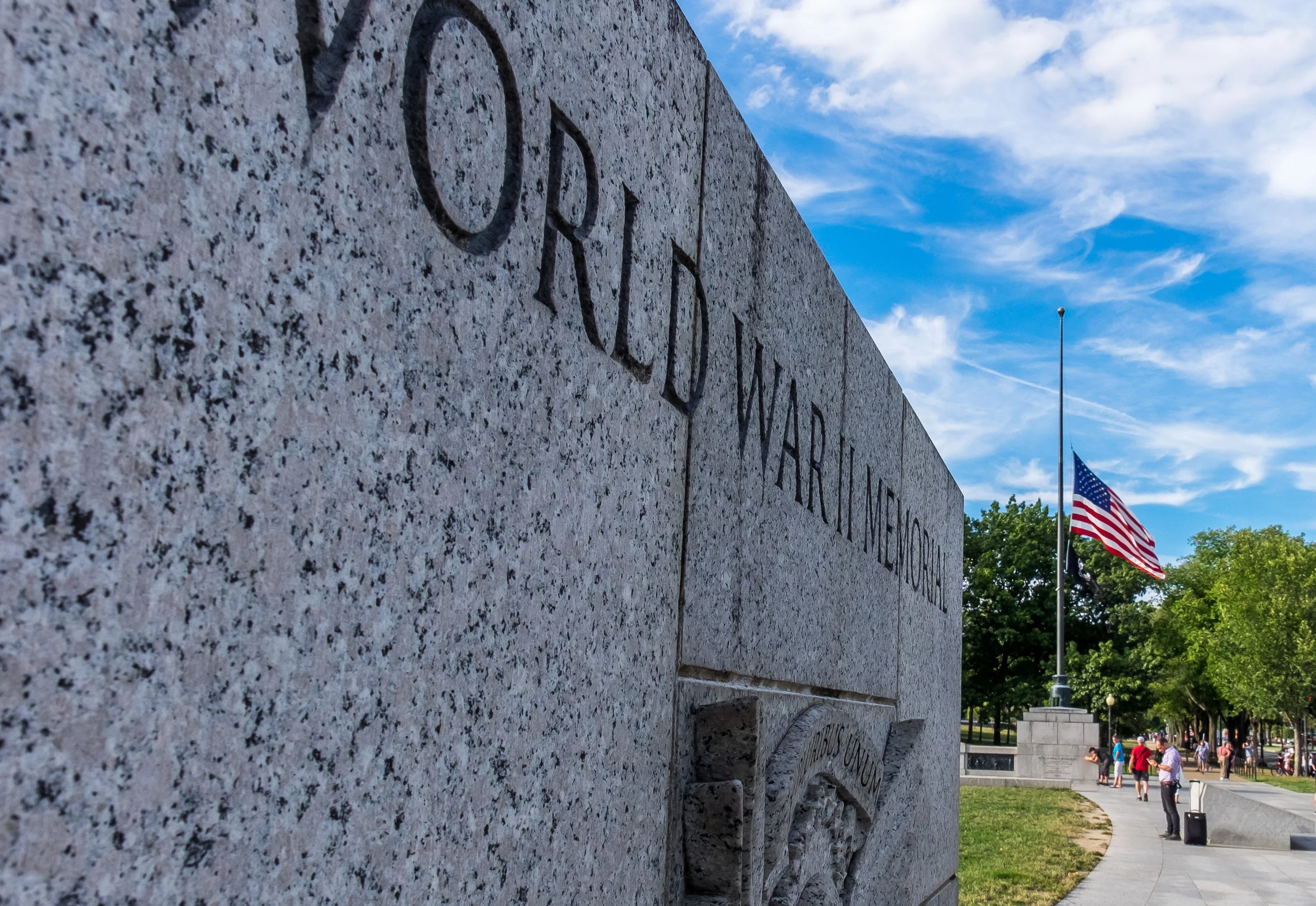
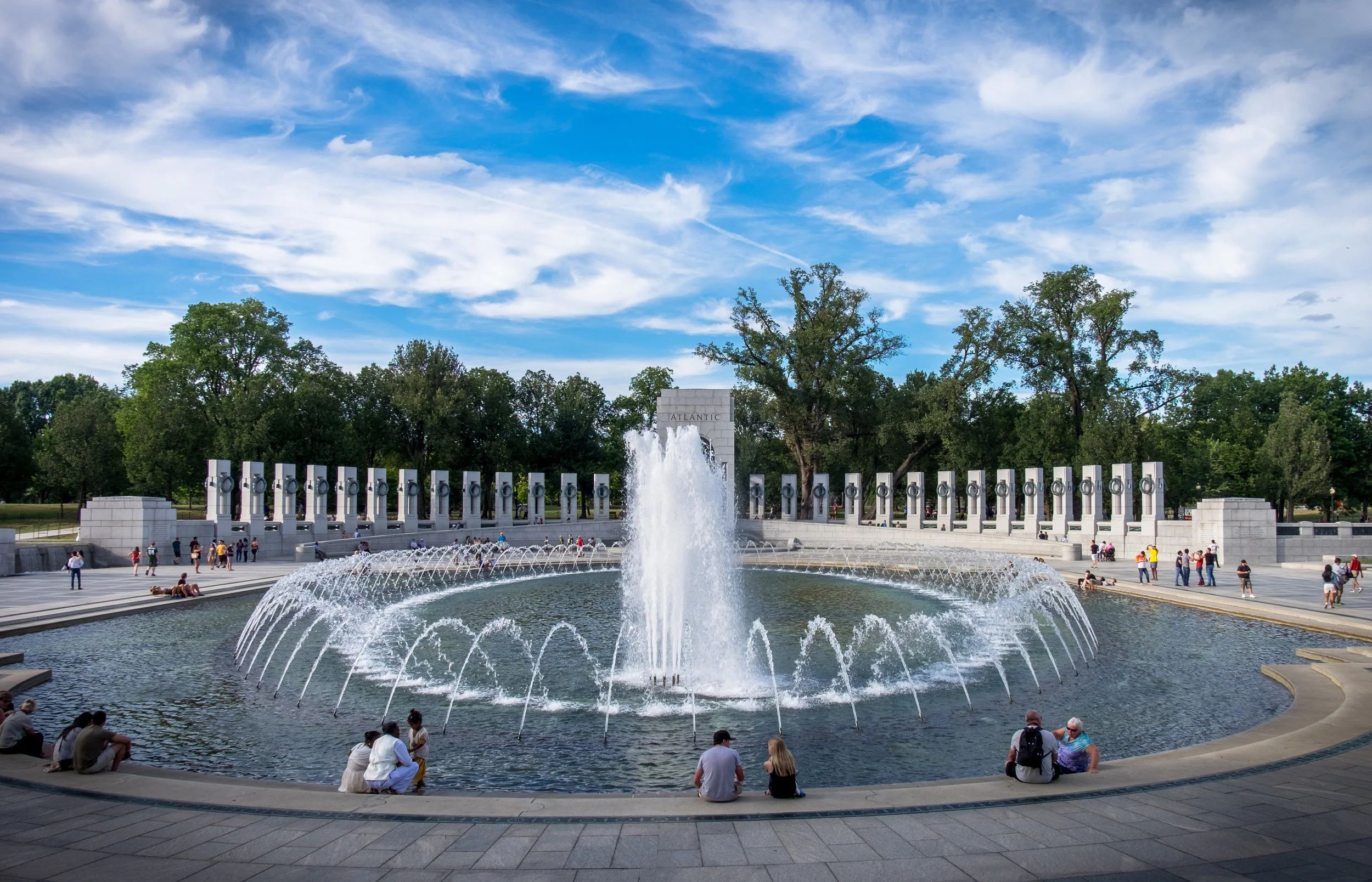
This is looking toward the Pacific theater side of the mirrored memorial and is taken from the Atlantic side. Battles are etched in the granite and there are two towers, one on each end with striking sculptures inside.
Let's Take a Tour, Last Stop /
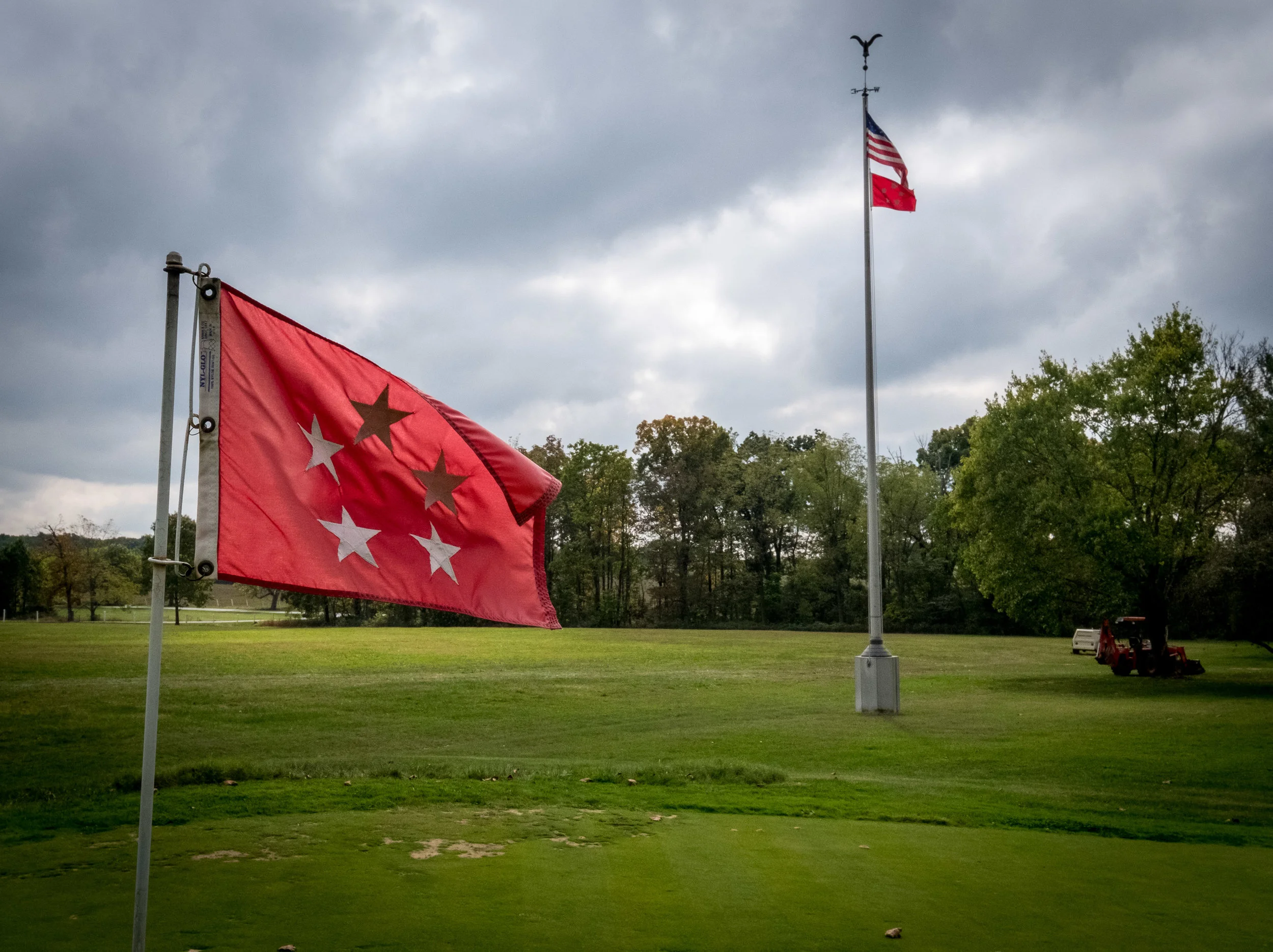
If you are a Five Star General you to can fly this flag on your personal putting green. And it leads into the next couple of days of posts.
Let's Take a Tour, 5 /
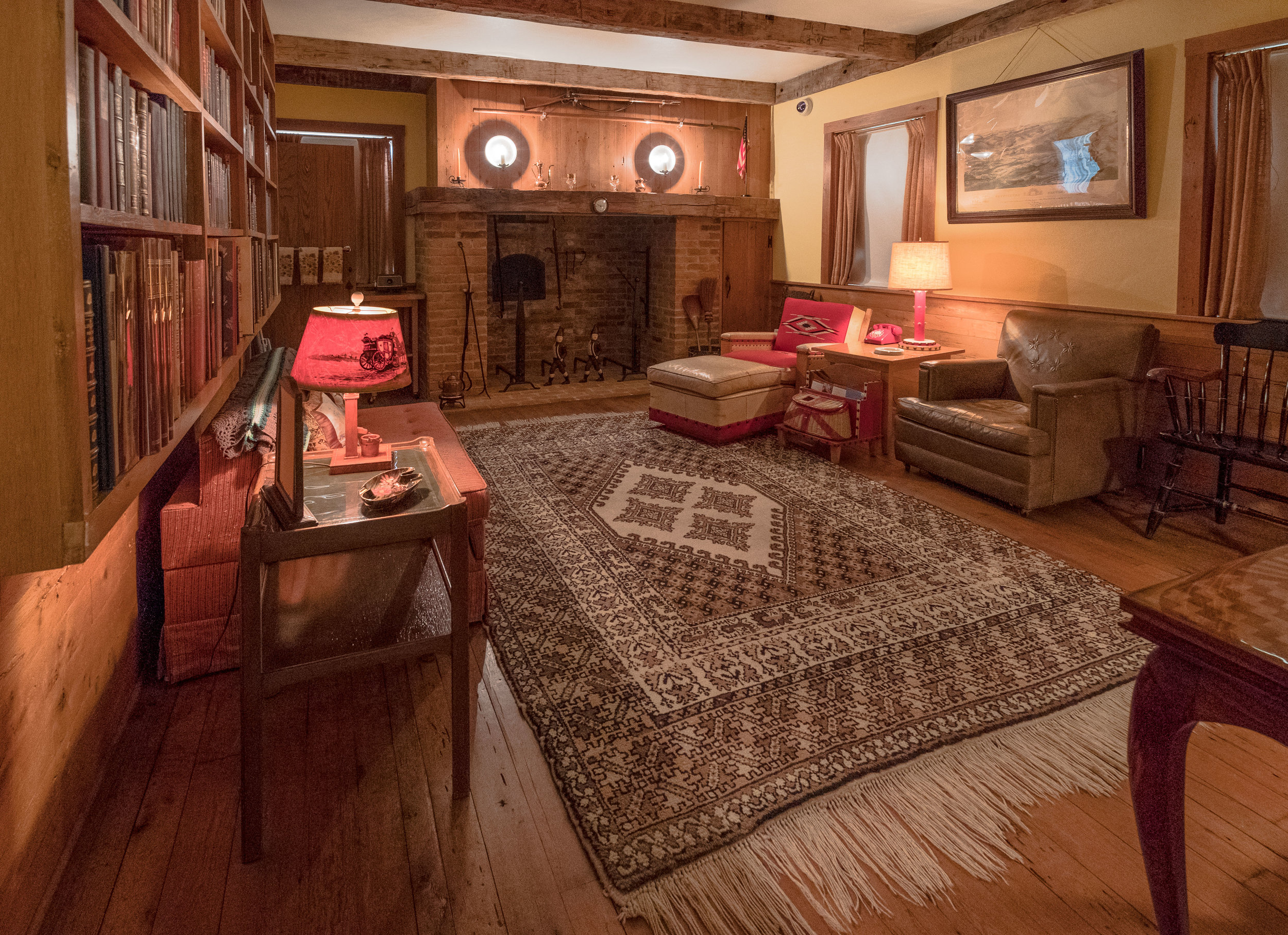
This was my favorite part of the house. It was also the oldest portion. This was President Eisenhower's study and where he would meet dignitaries invited to his farm. People including Premier Nikita Khrushchev of the Soviet Union, President Charles de Gaulle of France, Prime Minister Winston Churchill of Britain, and Governor Ronald Reagan of California. He also had a desk in the hallway just outside this room for his office while this room was where he recovered from the heart attack he had while serving as president.
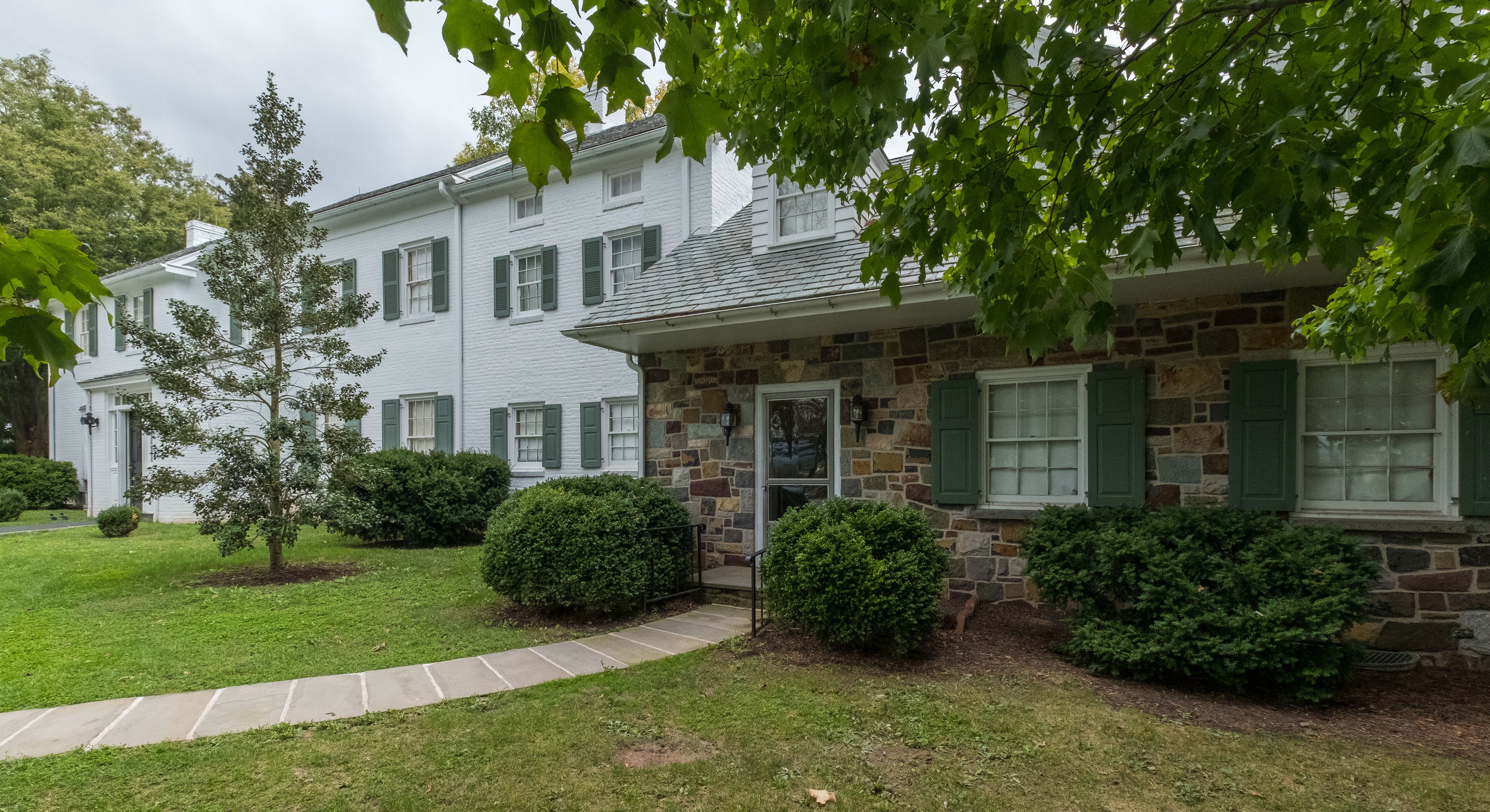
The study is in this stone portion of the house
Let's Take A Tour, 4 /
Today we are presenting a quiz.
Question one, please choose which bedroom is the General's and which one is his wife Mamie's. You have only ten minutes. Good Luck. You may answer in the comment section. There may be prizes?
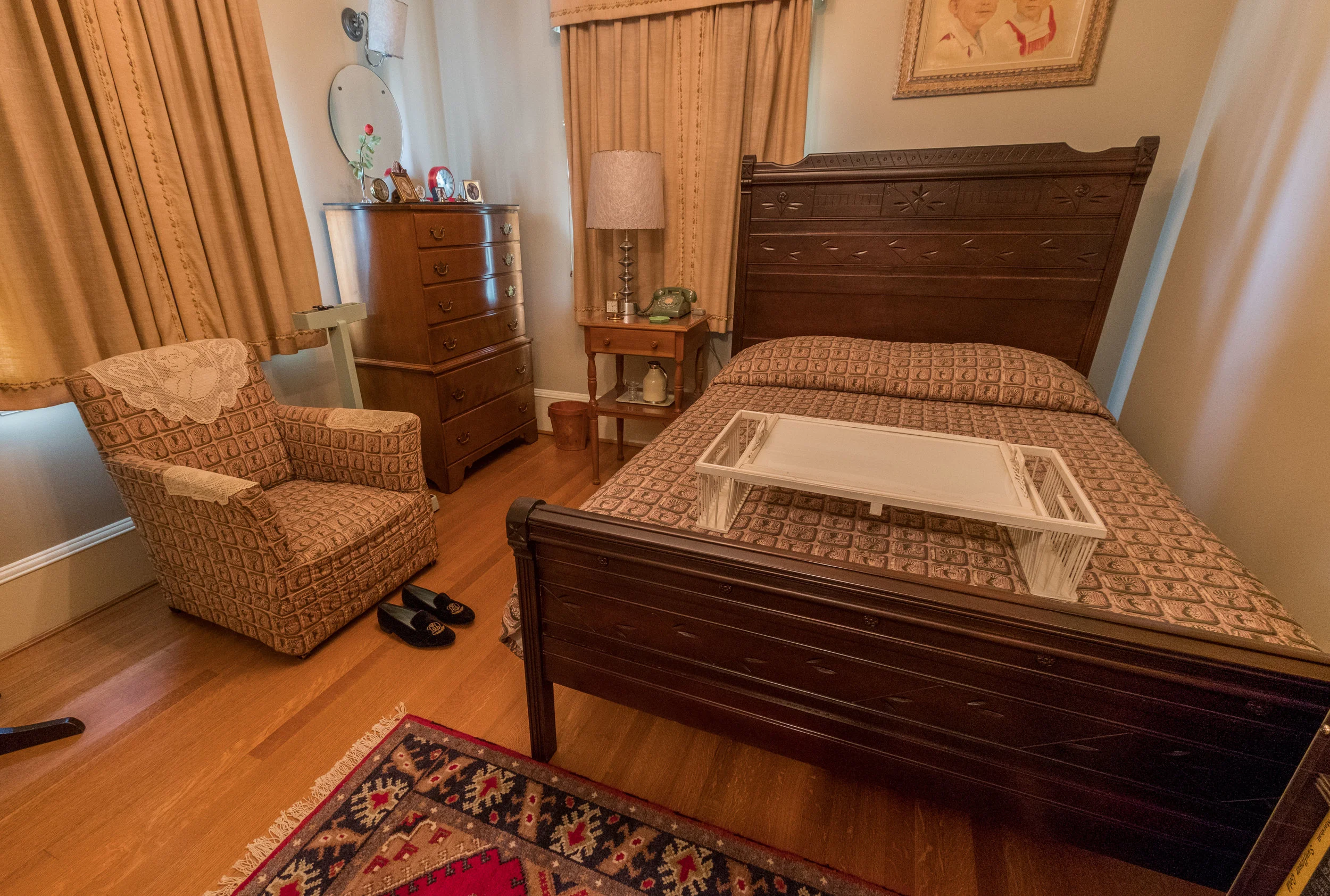
Bedroom A
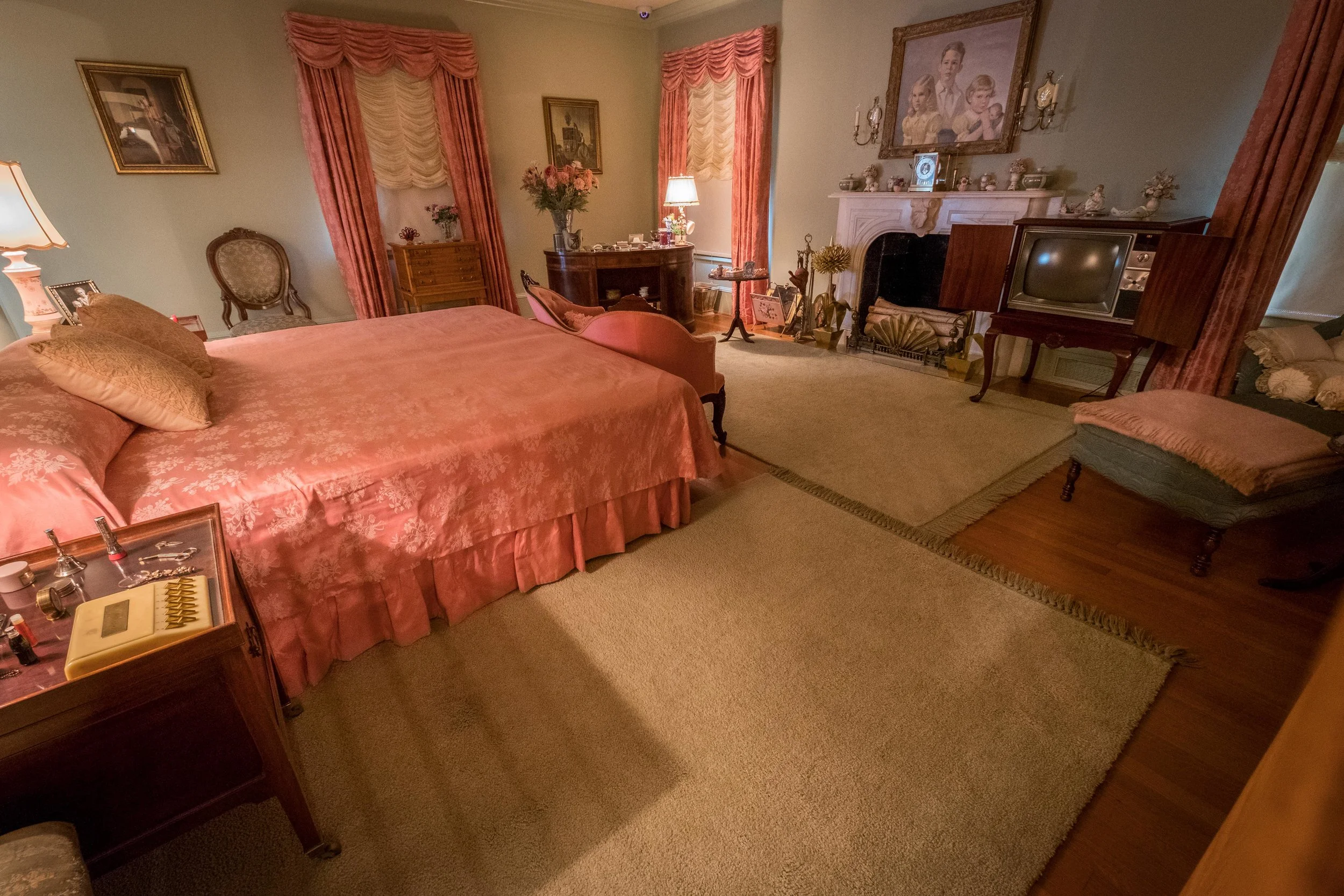
Bedroom B
Let's Take a Tour, 3 /
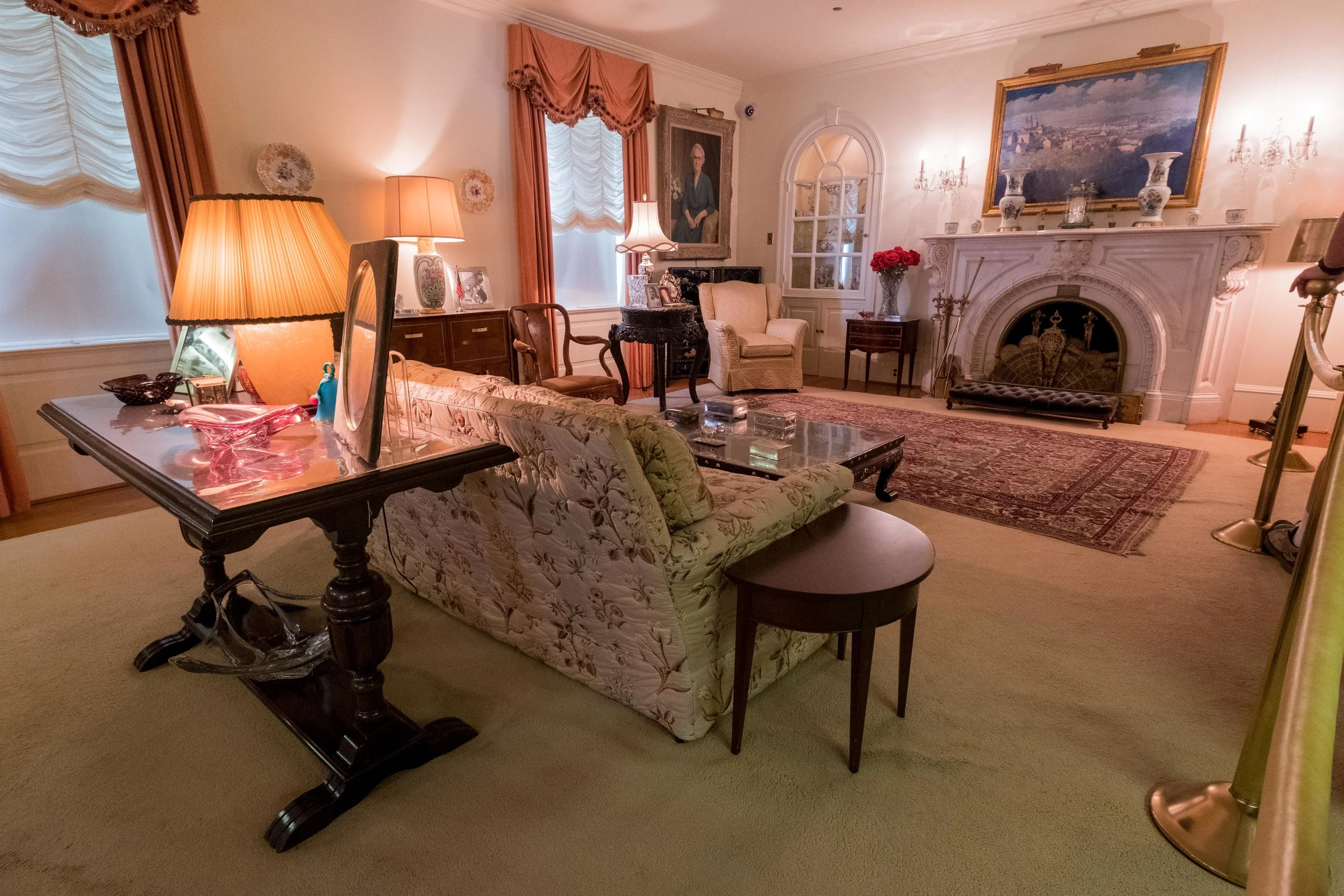
This is the room they spent their time in and where they entertained close friends. Ike painted in this room and the television at the end of the room (to the left of the photo but not in the photo) was most often on. In fact, the Eisenhowers usually took their meals in this room eating off TV trays. If you are not old enough to know what a TV tray is google 1950 TV tray images. They were cheap, metal, flimsy and prone to not being completely snapped together and so would occasionally fall apart when loaded with you food. The were particularly prone to do that on major holidays. Or maybe that was just my experience!

Let's Take a Tour, 2 /
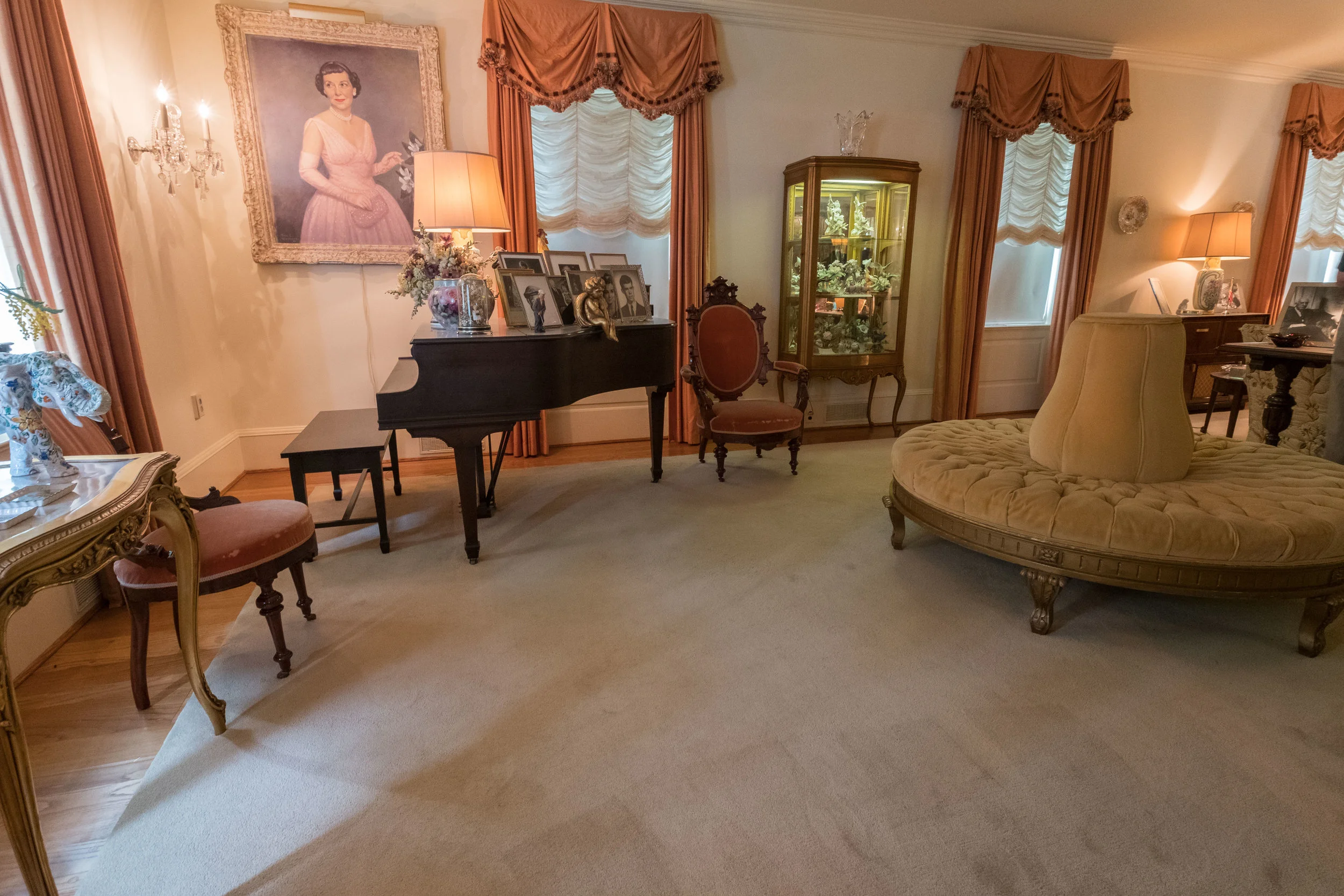
This is the formal living area. The guide told us it was not heavily used but the First Lady loved the round chair and liked to sit "and pick" at the piano. The marble fireplace was installed in the remodel and it actually came from the White House. A long discarded piece that became the focal point of the room. The blinds are tightly drawn over the whole house to keep the sun from fading the fabrics.
Let Us Take a Tour! /
Welcome to the Eisenhower Farm in Gettysburg, PA. This farm is now a part of the National Park Service. It is adjacent to portions of the battlefield but a separate entity. The Eisenhower's purchased the farm in 1950 but the renovations (rebuilding actually) was not finished until 1955 while Ike was in the White House serving as the nation's 35th President. He lived here until his death in 1969 and Mamie lived here for an additional ten years even though the property had been given to the country. The Park Service took over in 1980 and the property opened for tours shortly after. Cindy and I visited once before in the mid 80's.
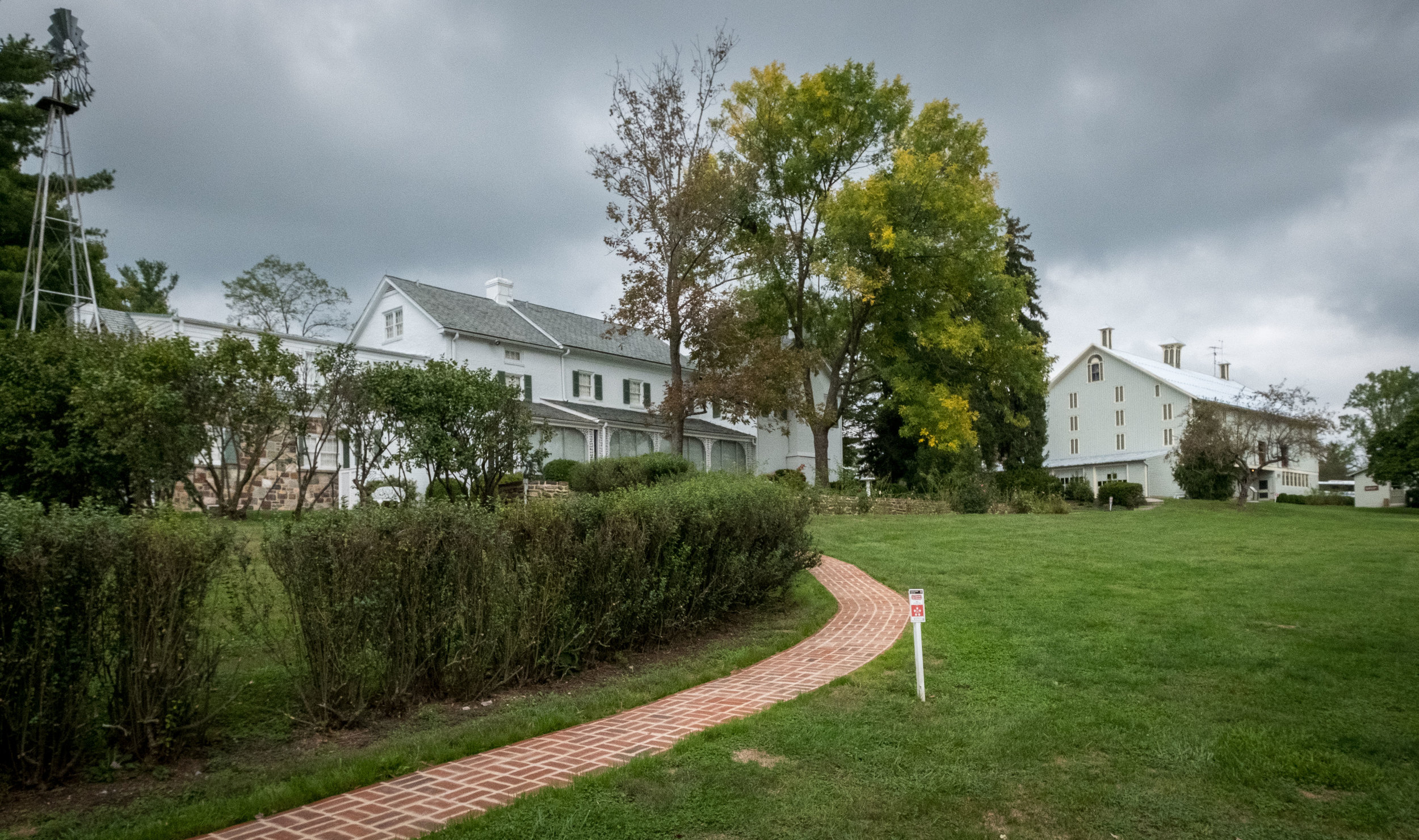

The small attached structure at the front was the Secret Service office.
Before the Fires /
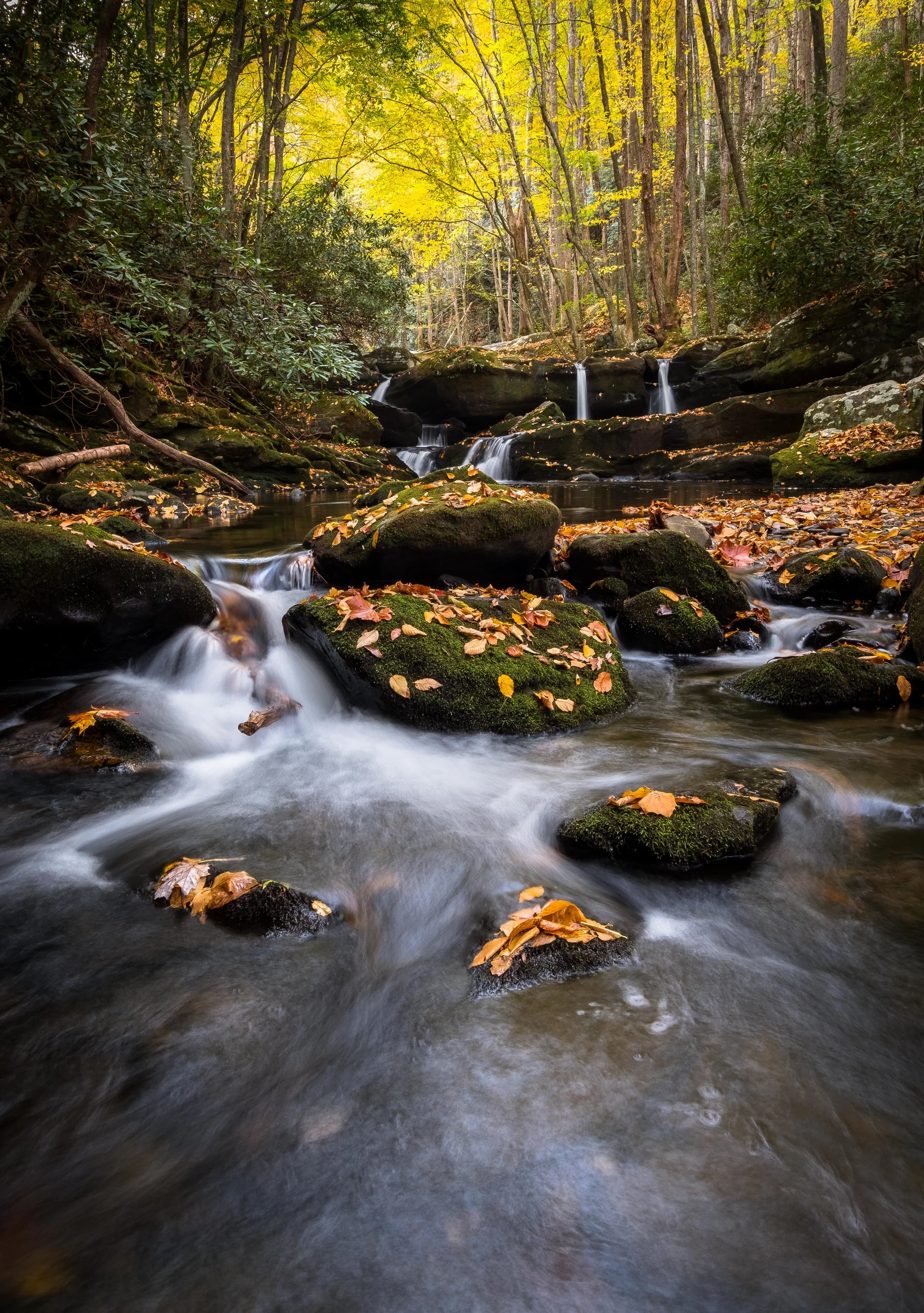
This is my favorite photo from when I spent four days in the Smoky Mountains at the end of October. The drought was in evidence every place you went as streams were flowing much slower and lower than had been seen in a long time. The leaves were mostly brown except near the source of water like these in the background. Even this photo was taken from a rock in the middle of the stream. A local professional photographer who makes his living with photos from these mountains told me he had never seen "that rock before." Besides the displaced wildlife, scared hills and destroyed buildings, all that will survive, regrow or be rebuilt, there were fatalities. Remember them and those who fight these fires in your prayers. This section of the park near Tremont, as far as the reports I have read, remains untouched by the fires.
Easy Way to Tell... /
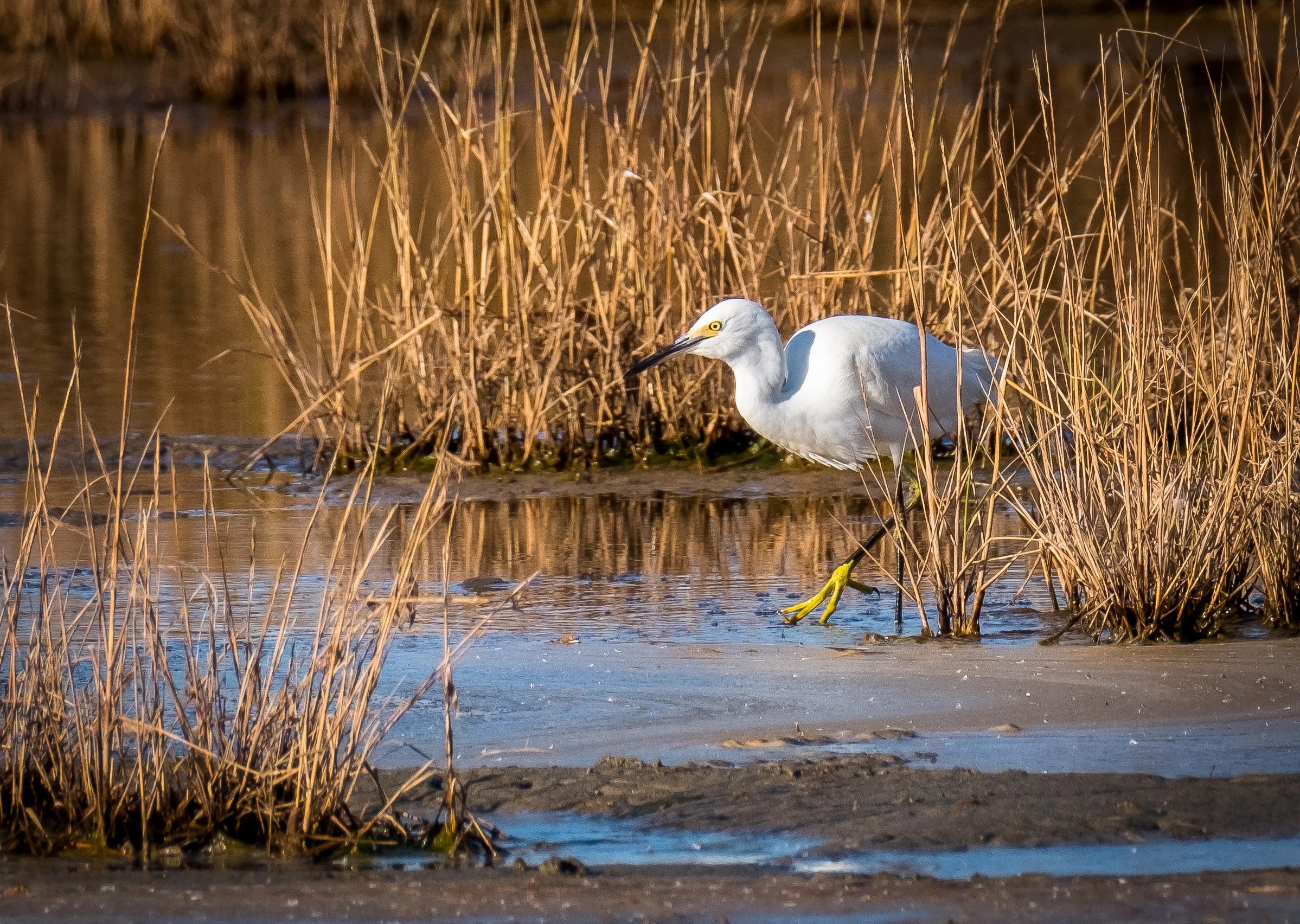
...if you are looking at a Snowy Egret? See if his feet look like they were dipped in yellow paint. They are happy to show you. Also, his eyes and his lores are yellow. Just in the off chance that you forgot what the "lores" are, "The areas of a bird's face on either side from the base of the bill to the front of the eyes, but not extending further up or down than the width of the bill base." Of course, that is for someone else who forgot, not you.
Sailing & Soaring /
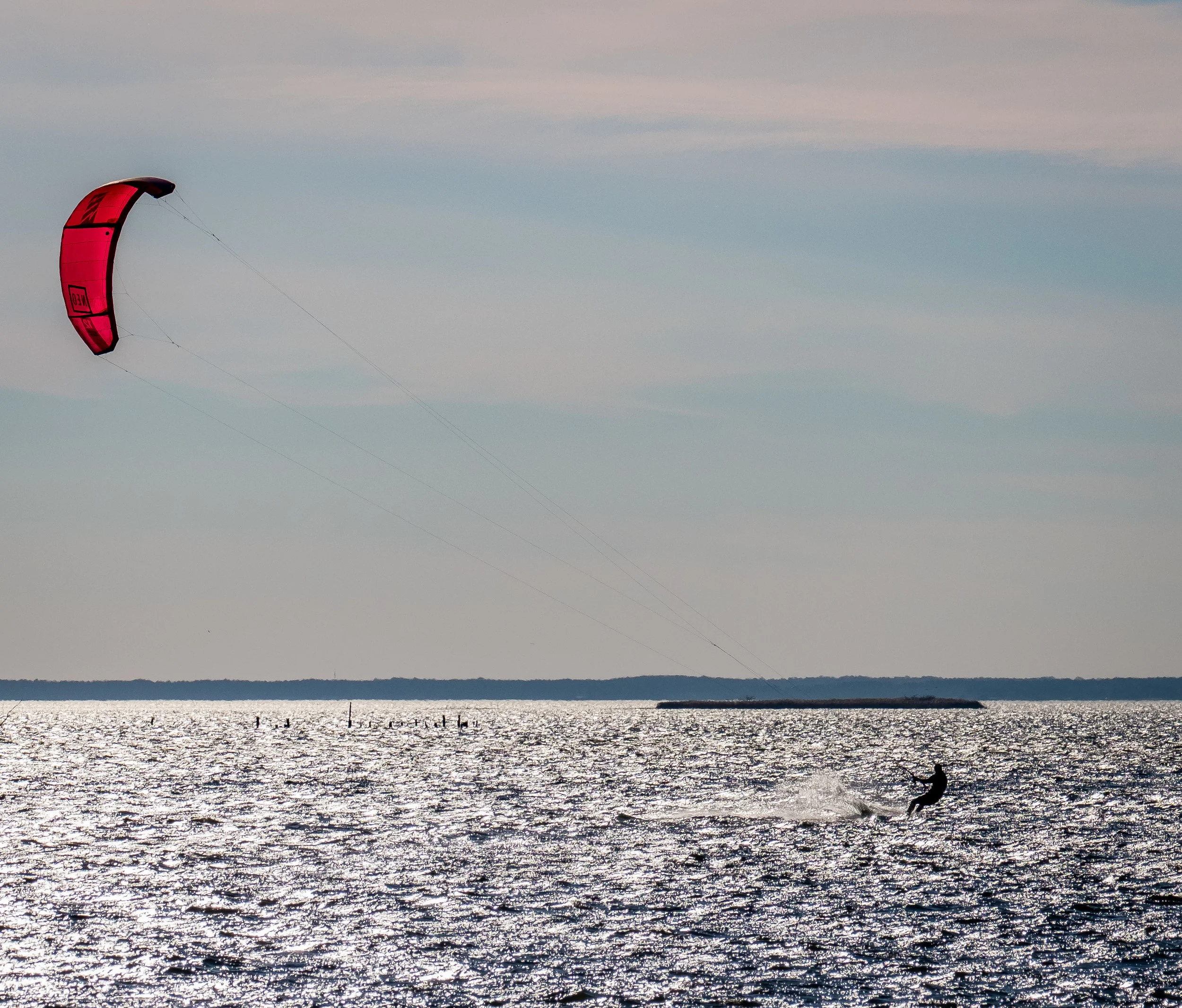
In a full wet suit on a very cool and windy day this man set off across the bay at amazing speeds and occasionally soared over the bay. Looked like fun for someone else.
Hidden Color /
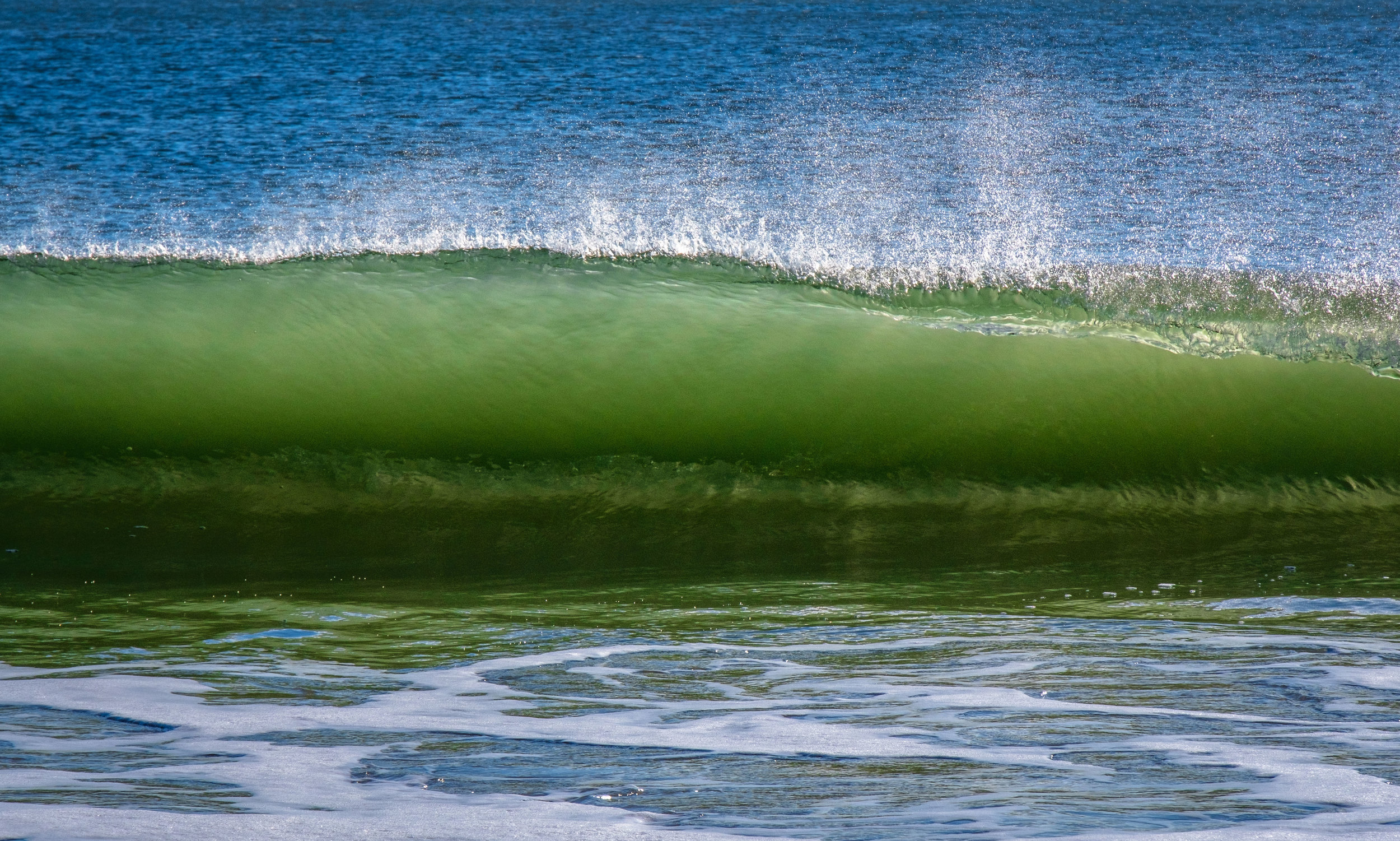
The blue ocean turns green when the light illuminates the wave. The salt spray is being blown back by the off shore winds.
"Carefully determine what pleases the Lord. Take no part in the worthless deeds of evil and darkness; instead, expose them. It is shameful even to talk about the things that ungodly people do in secret. But their evil intentions will be exposed when the light shines on them, for the light makes everything visible. This is why it is said,
Awake, O sleeper, rise up from the dead, and Christ will give you light." Ephesians 5: 10-14 NLT
Great Sign /
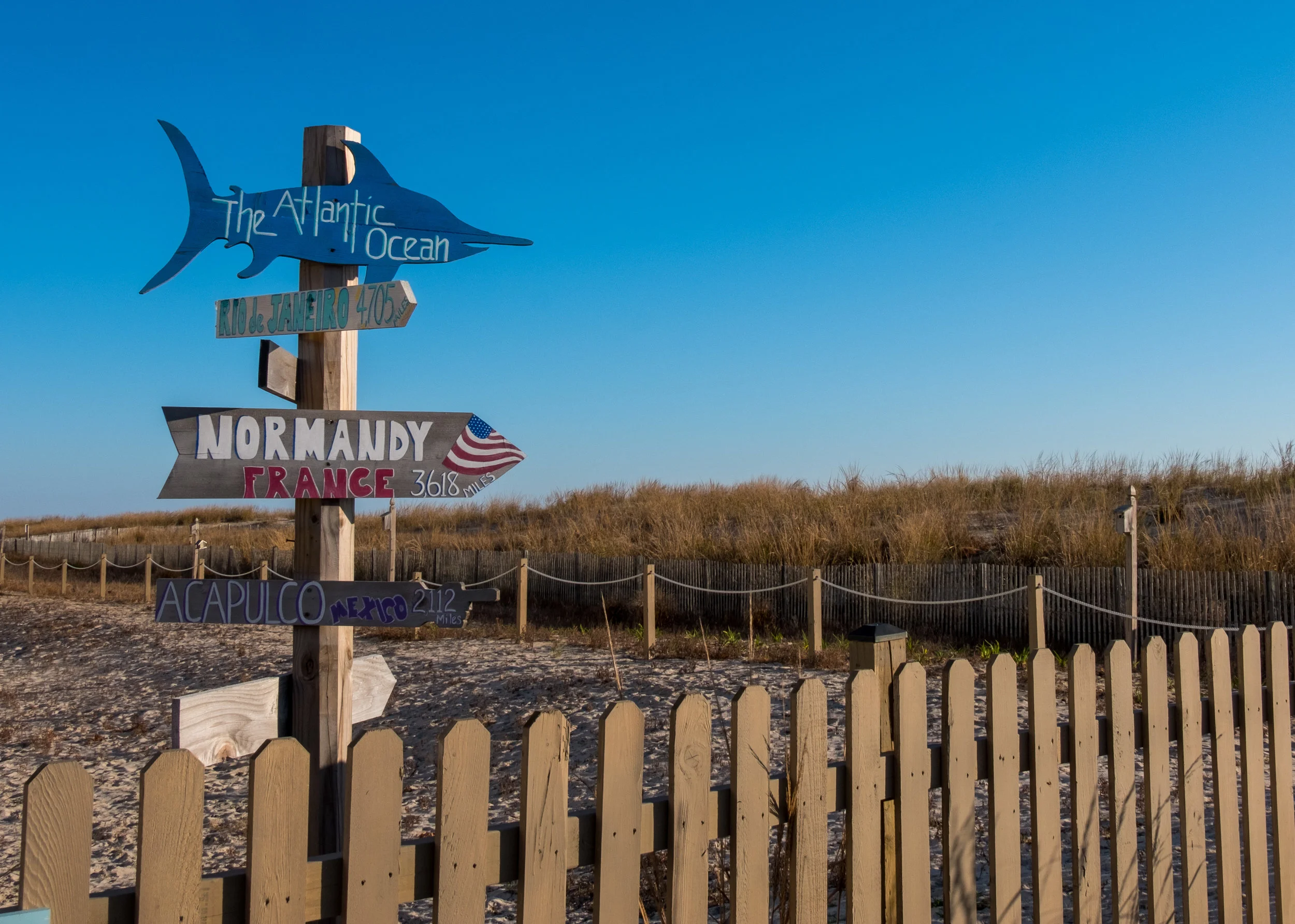
This was the first thing we came to walking down to the beach in Ocean City, MD on Veteran's Day morning. Perfect timing.
What Better Day... /
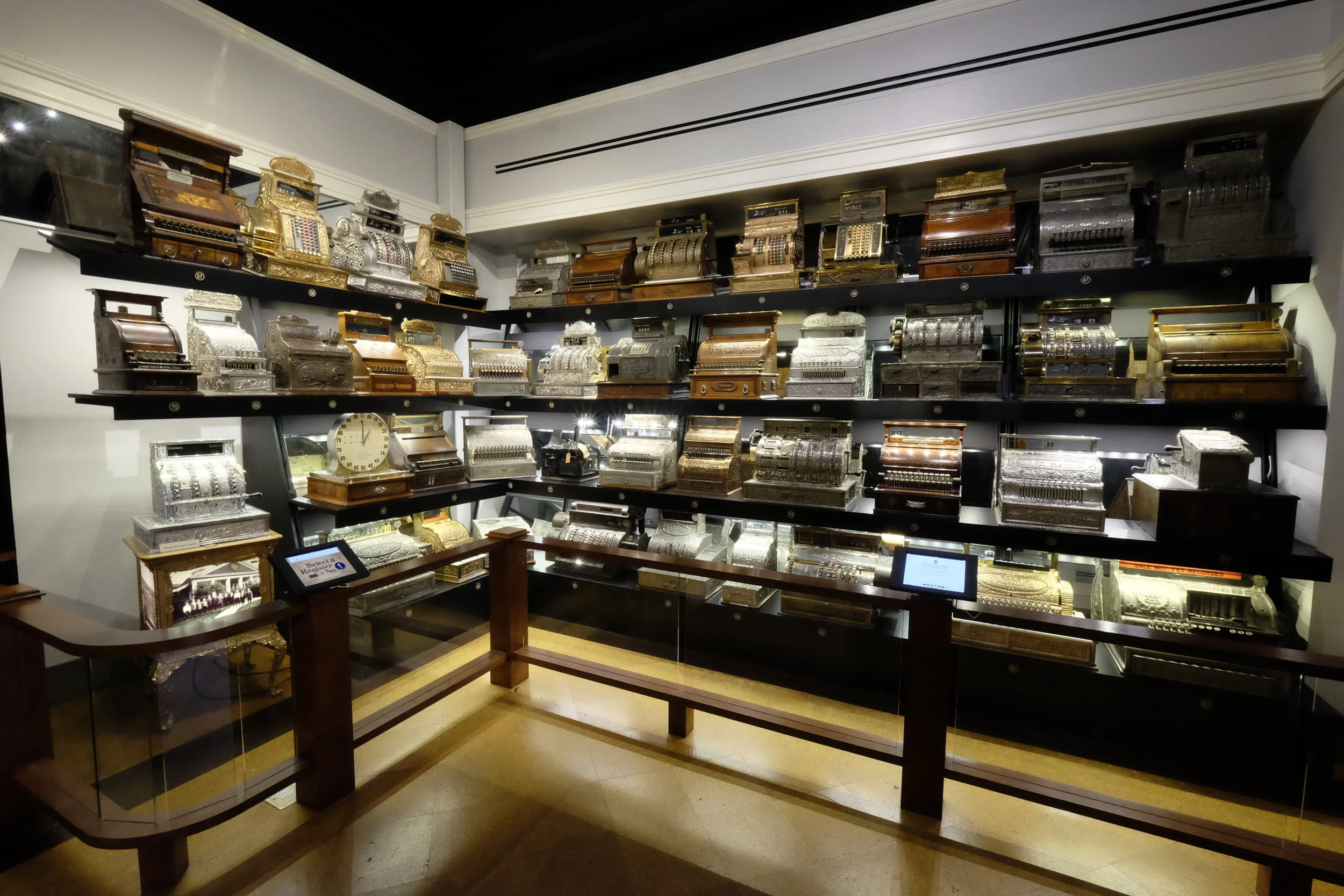
...than to view a photo from the National Cash Register Museum than the premier shopping day in America. Hope your day is (pun alert) spent well. And that shopping was a minimum part of it. And, yes, we are those people who actually went to the museum.
Purple Mountain Majesty /
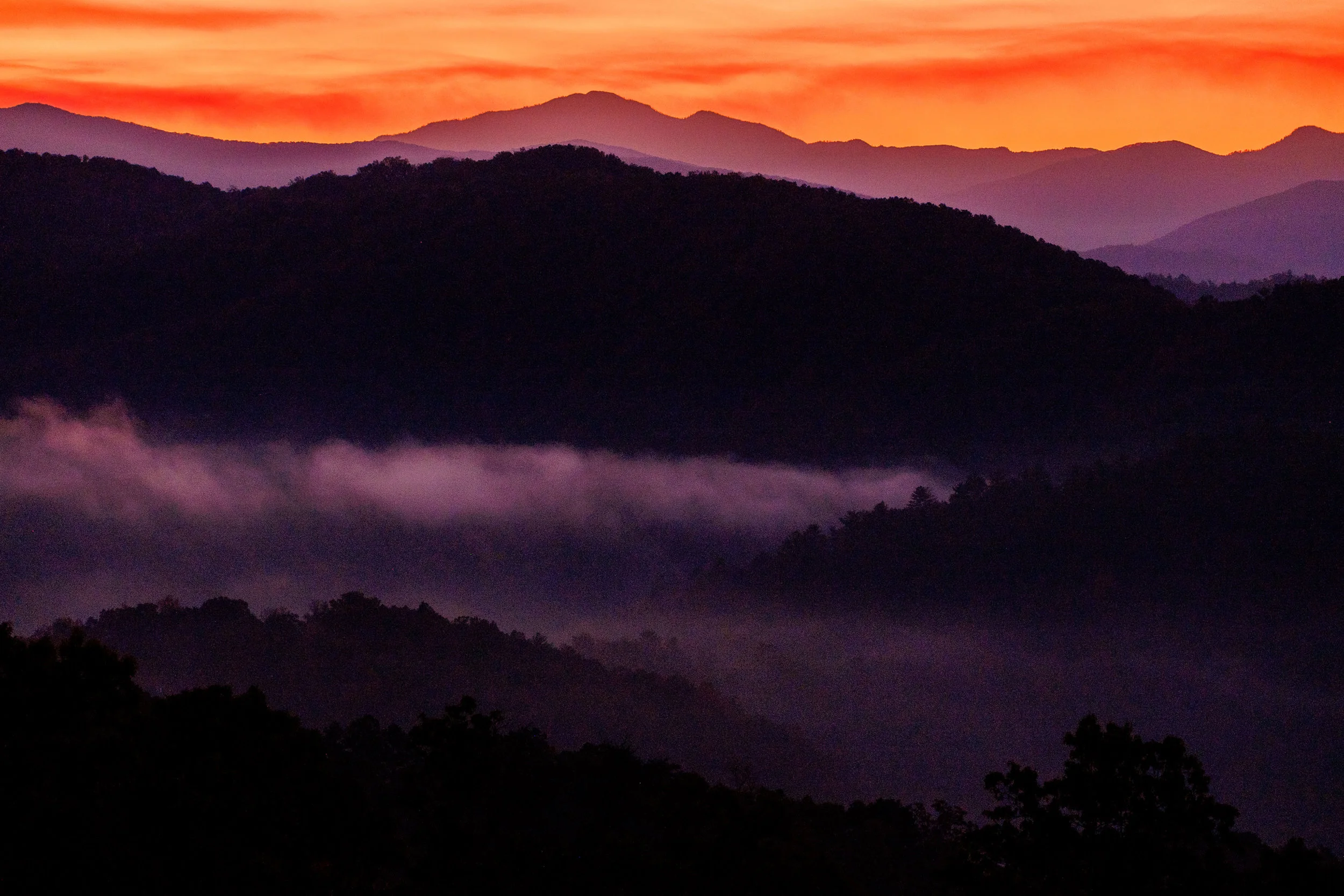
Hard not to be thankful amidst this scenery. Yet we need to be thankful for each blessing, each challenge and each joy. They are all fleeting as a morning sunrise and as enduring as these mountains. Happy Thanksgiving.
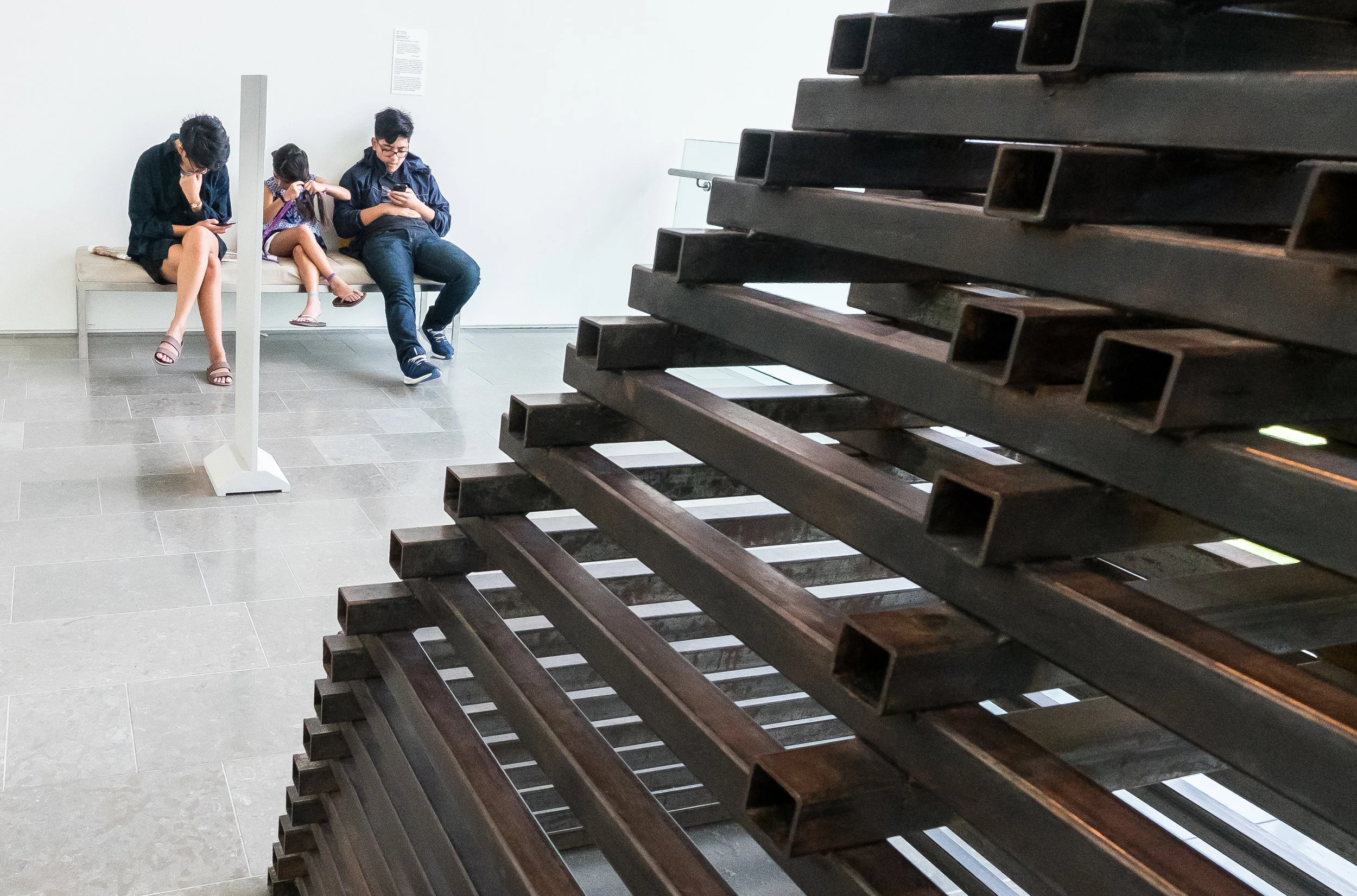
Screens First /
At the art gallery.
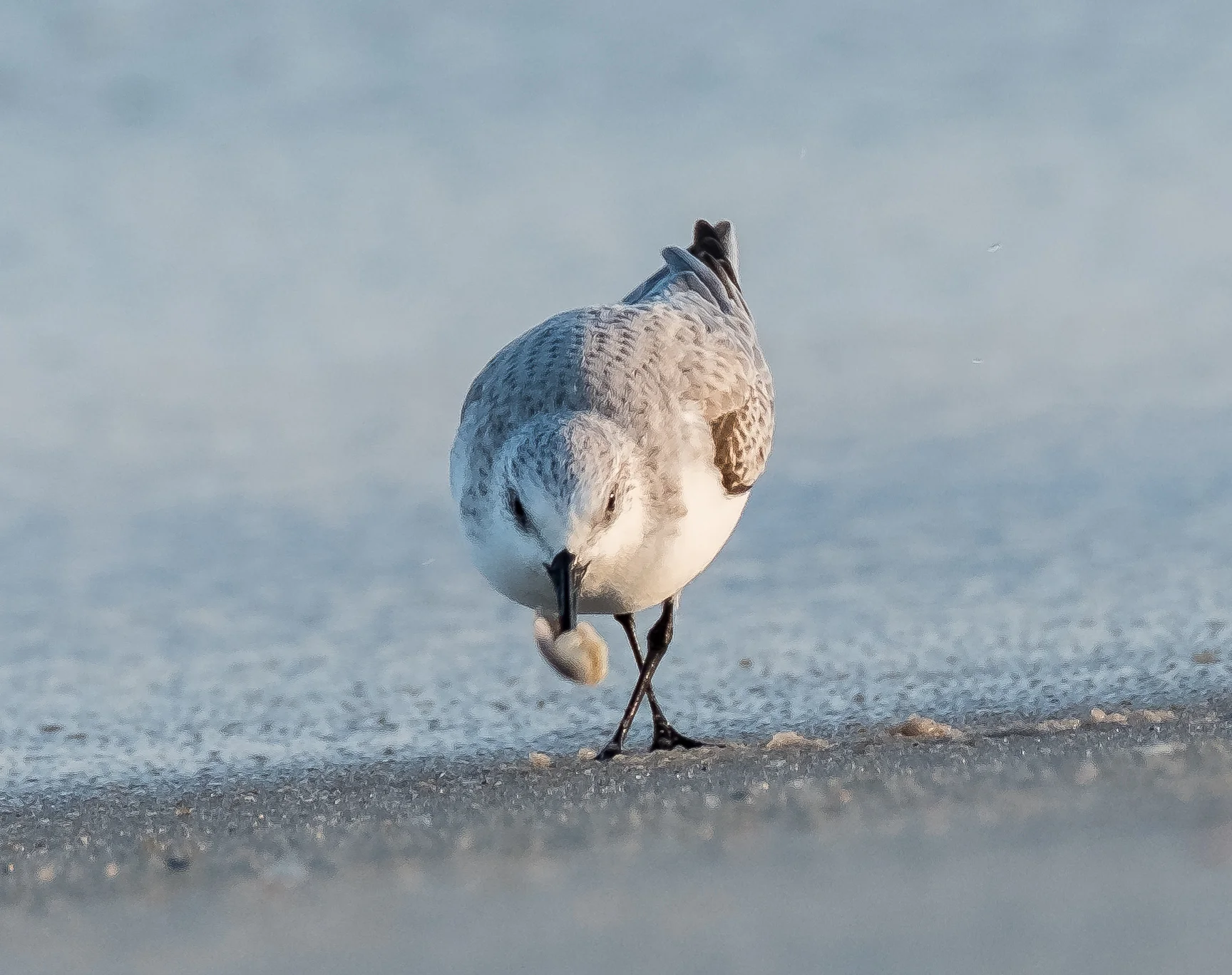
This is MY dinner! /
So you back off and nobody will get hurt. Assateague Island National Seashore.
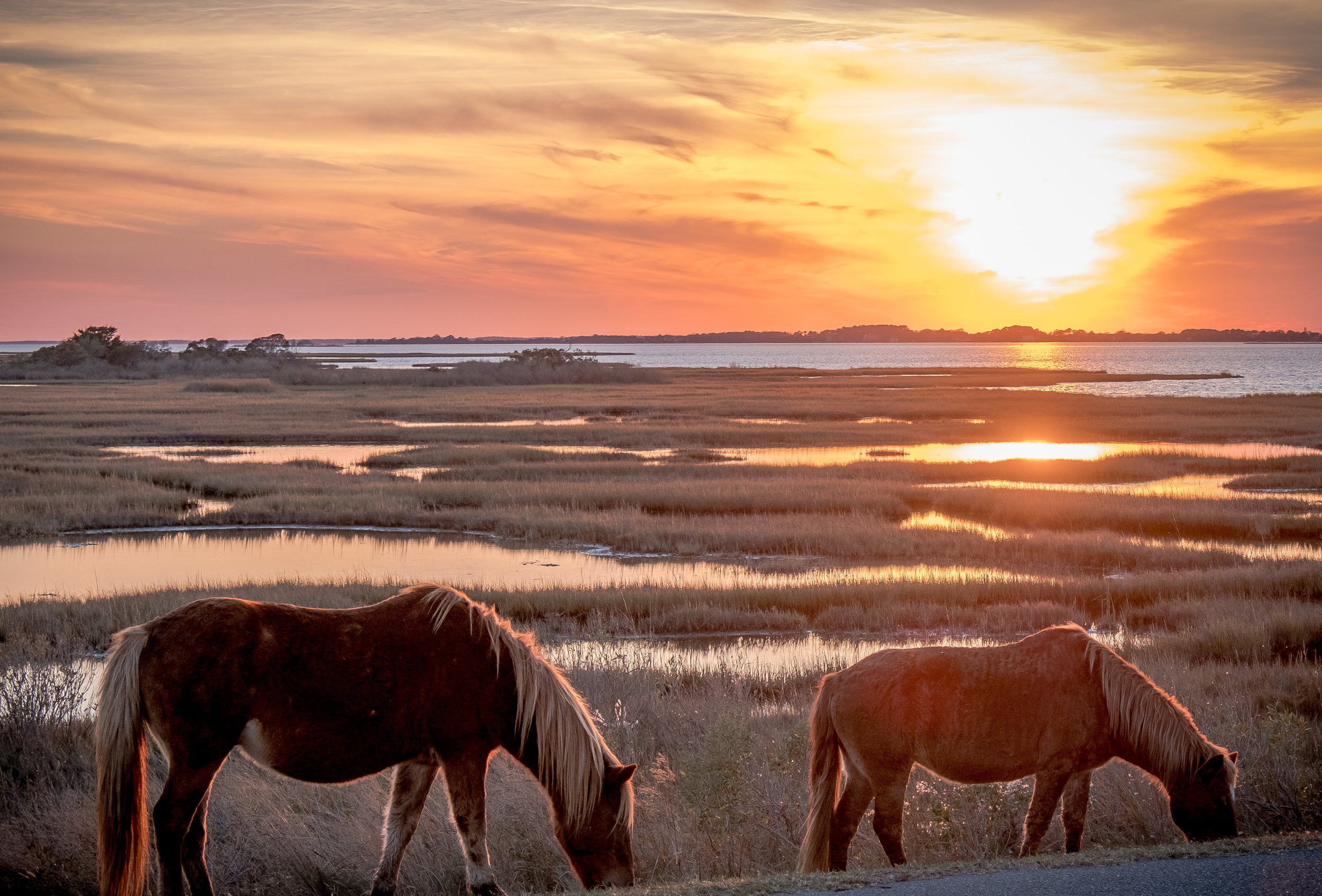
So ASK! /
The process of trying to capture images at all 413 current National Park Service sites is by the nature of time, effort, expense and season- a bit rushed. And I have a lot to learn because we are not just showing up (usually not just showing up) but are interested in the site, its history and the learning experience. We do not have the luxury of many visits at all seasons therefore we must shoot with great light or poor, with rain or bright sun, in the hours the park is open. The main lesson I have learned is to ask the rangers, "What makes this park unique? What are the most interesting images people have taken here? What photograph might show the essence of the site?" And I get great answers. Most of the rangers are very helpful. In Arlington I got to see graffiti from Civli War solders scrawled on rafters in the attic, at George Rodgers Clark hints on the sunlight filtering in the skylight and at Assateague information on the habits of a couple of horses that allowed me to take this image at sunset.
Great hint for shooting: ASK.
Moon Over the Atlantic /
"May they fear you as long as the sun shines, as long as the moon remains in the sky. Yes, forever!" Psalm 72:5 NLT
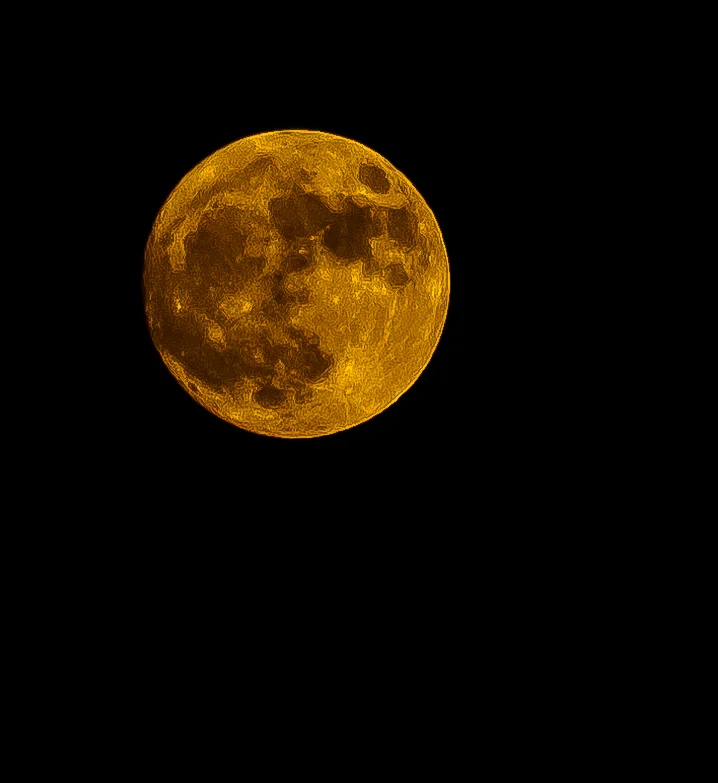
Moon Rise /
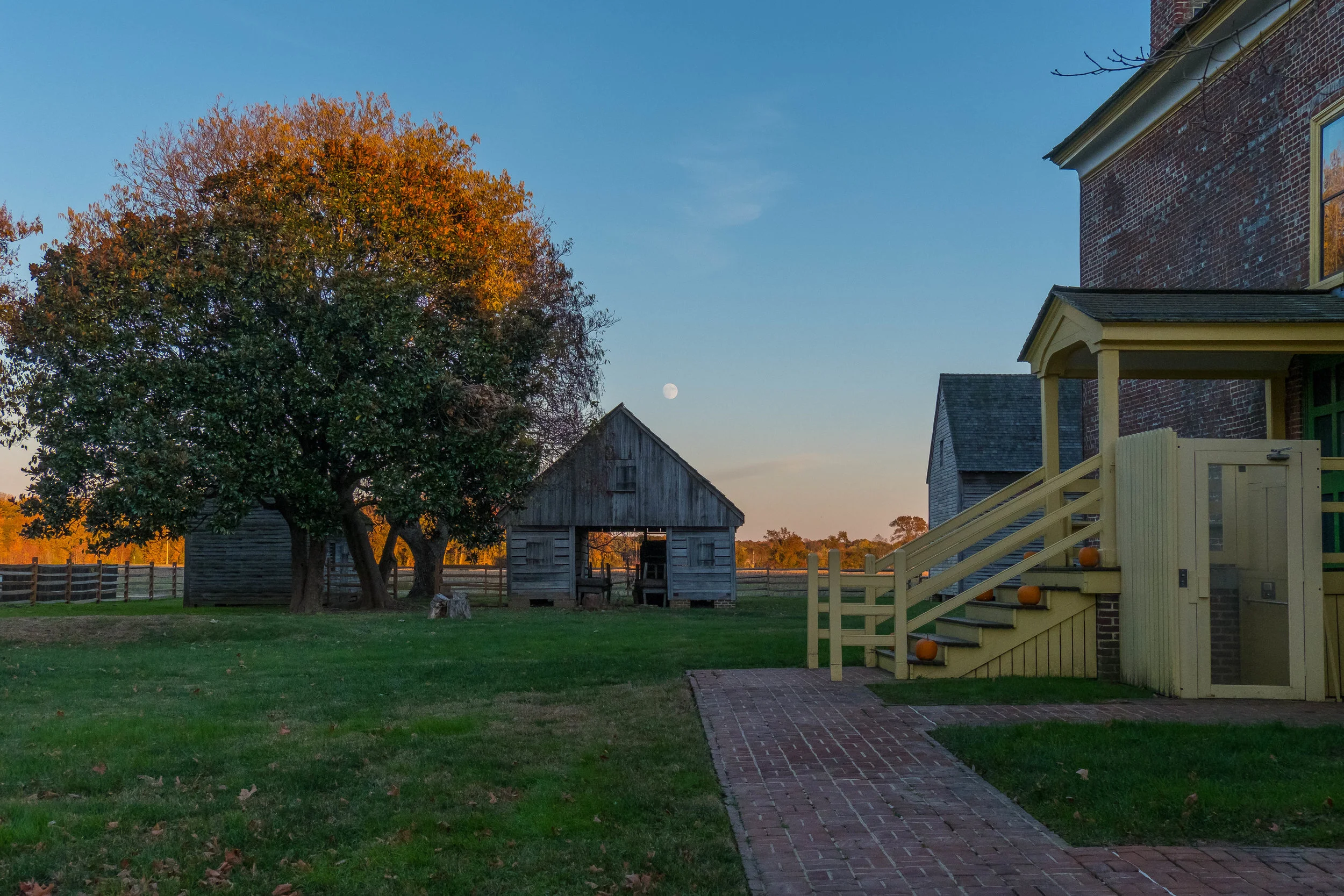
The nearly full moon rose late in the afternoon this day as we watched from the back of the Dickenson Plantation in central Delaware. This house is one of five or six units that make up the First State National Historical Site. We visited three of the five and two, the Village Green in Dover and the Ryves Holt House in Lewes were very disappointing. Not really up to National Park standards. More later on those. The plantation was interesting and the tour was very good.