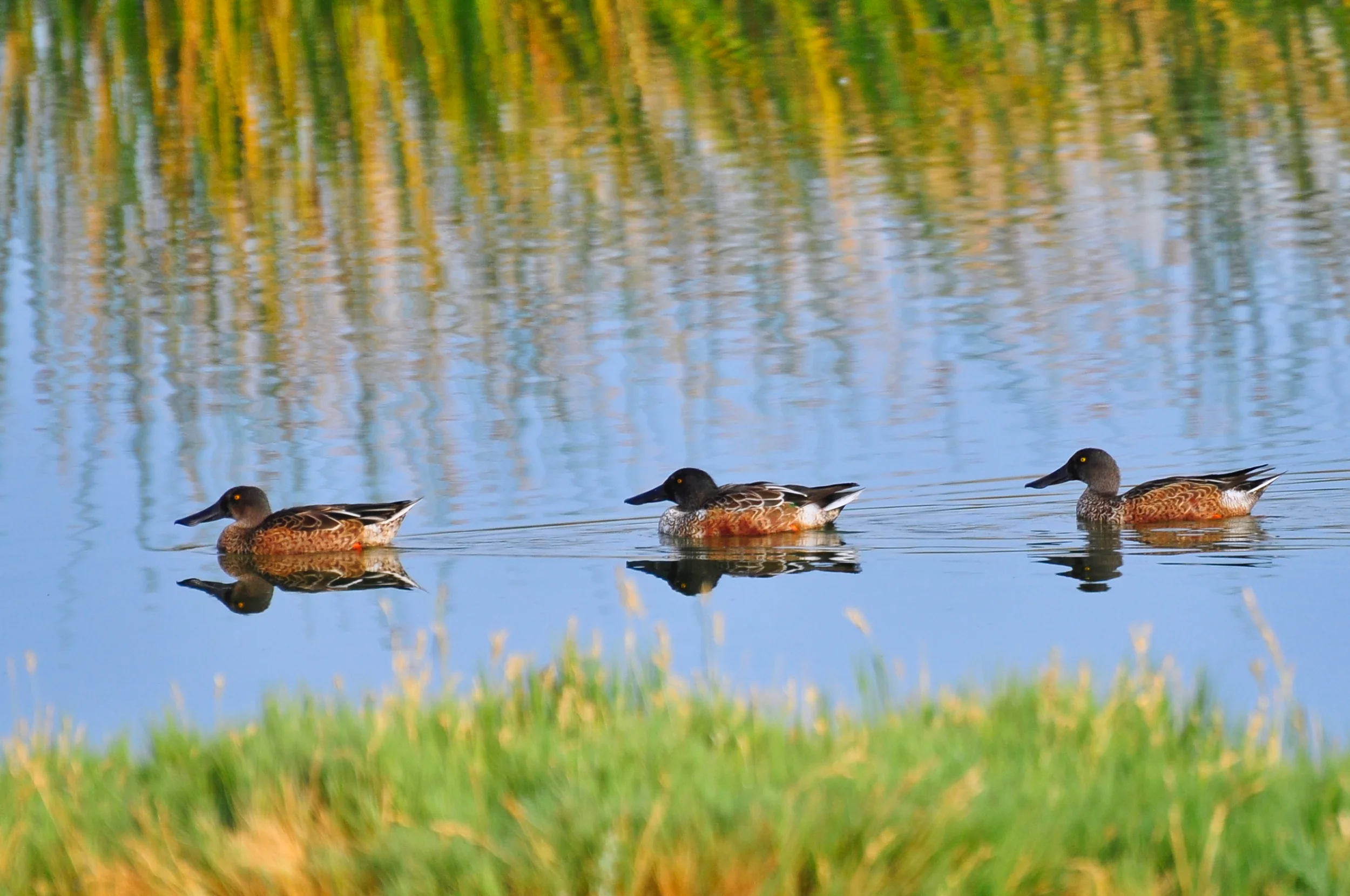
Three Northern Shovelers glide by on a pond at the Henderson Municipal Water Treatment Plant near Las Vegas. Lovely place to watch birds.
Industry /
Here is a shot in the small town of Franklin, VA. I was out with Dennis Mook, The Wandering Lensman (his take on this spot and more is here: https://www.thewanderinglensman.com/2019/03/small-town-photography-part-i.html) We were just drifting along the Southside of Virginia west of Portsmouth and east of I-95. Found a few things to photograph from flowers to cars to old train vistas. This area is mostly very small towns and many of them have seen better days. This shot is a mix of old - the engine is likely 30 years old, the work car more, the buildings vary a lot and have seen different uses at different eras. The large storage tank is for Birdsong Peanuts and it has just added a coat of paint to the superstructure and a large new sign. Everything changes.

Morning on Frenchman's Bay /
Walking the cliffs off the Ocean Drive on Acadia is rewarding regardless of the weather, tide pools, the air, the birds, sunrise, the waves breaking on the boulders - why wouldn’t you get up and out.
Acadia National Park

Today is National Medal of Honor Day (2 photos) /
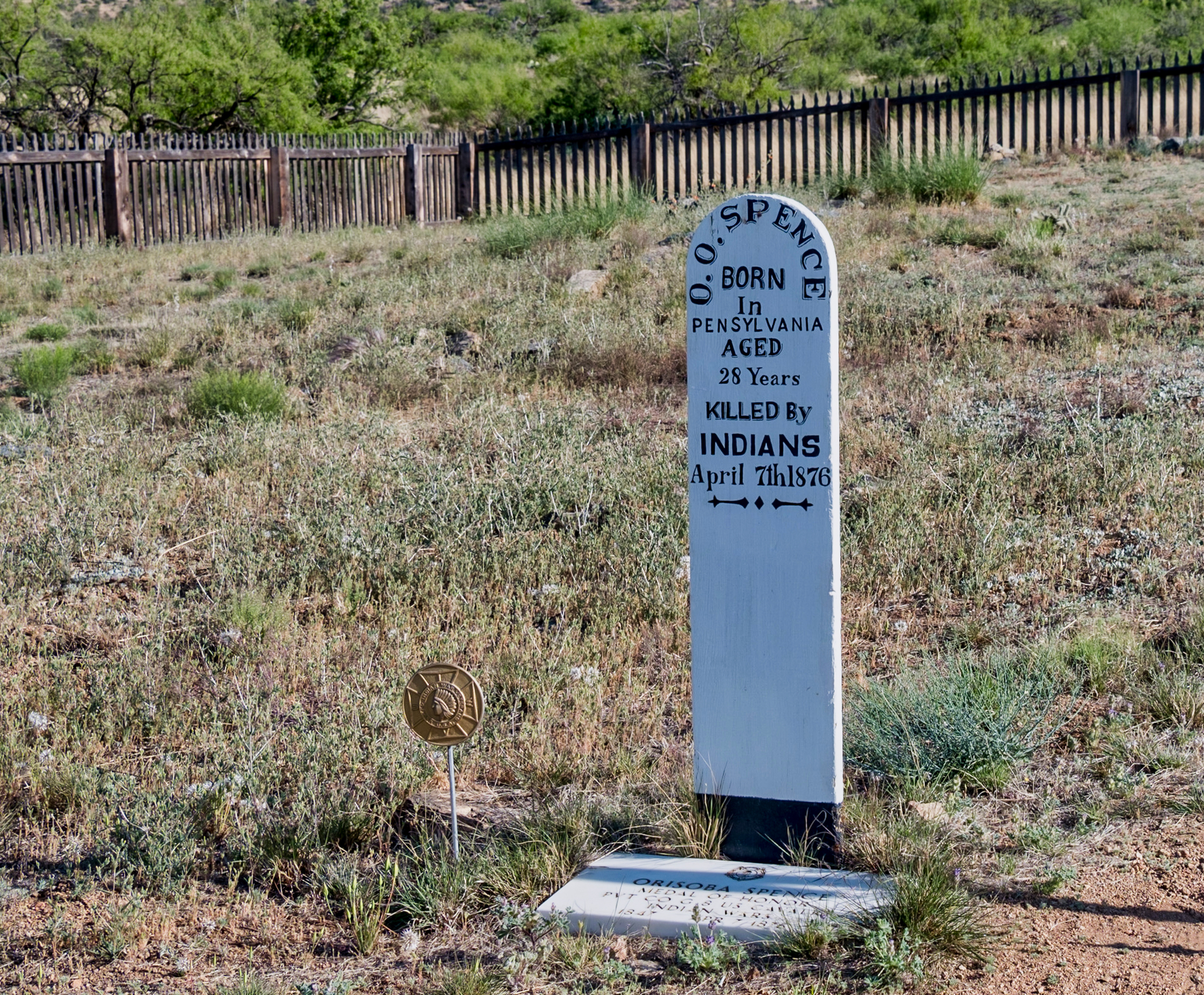
These graves are located near Fort Bowie AZ and are part of the National Park system. The cemetery was used by both civilian and military until 1895 when all who were active military were reinterred in San Francisco. The remaining graves were all civilians at the time of their death. Many listed as “killed by indians” were stagecoach drivers, US Mail drivers and cattle drovers. One, O. O. Spence was a awarded the Congressional Medial of Honor for gallantry in action on 20 October 1869, while serving with Company G, 8th U.S. Cavalry, in action at against Cochise and some Apache at Chiricahua Mountains, Arizona Territory. I reflected on this man -barely known today, who was born in the lush, deep woods of Northwestern Pennsylvania who found a home in Arizona. How did he make that journey, why, did he ever hear about or see his family again, did they know of his death and his time as a soldier. Fort Bowie is remote today - I imagine it felt more so then. He was killed by some indians but he was no longer in the army when that occurred. Here is a brief note from what little is known about him: “Orisoba O. Spence was a thirty-three year old native of Tionesta, Pennsylvania. Spence joined the army in 1868 and was assigned to Company G, 8th Cavalry which was eventually stationed at Fort Bowie. Spence received the Medal of Honor for gallantry in action in a fight against Cochise's band of Apaches on October 20, 1869. He was discharged at Fort Selden, New Mexico, as a sergeant in 1873. After his discharge he stayed in southern New Mexico and married in 1874. Spence's wife resided in Grant County, New Mexico, even after he began working for Nicholas Rogers as a cook. On April 1, 1876, a horse and mule were stolen from the station. Spence went after the thieves, recovering the animals after a shoot-out, then hurried on to the station.
While Spence was gone, Rogers had once again sold whiskey to some Apaches. On April 7, the Apaches came back for more shortly after Spence's return. Both Rogers and Spence were killed after Rogers refused to sell them more. Although initially buried at the station by an investigating patrol, the bodies were later brought into Fort Bowie for burial in the post cemetery.” from NPS.gov
The remains of the station are visible today about 3/4 of a mile from the fort.
Fort Bowie National Monument

Next Train 0:00 /
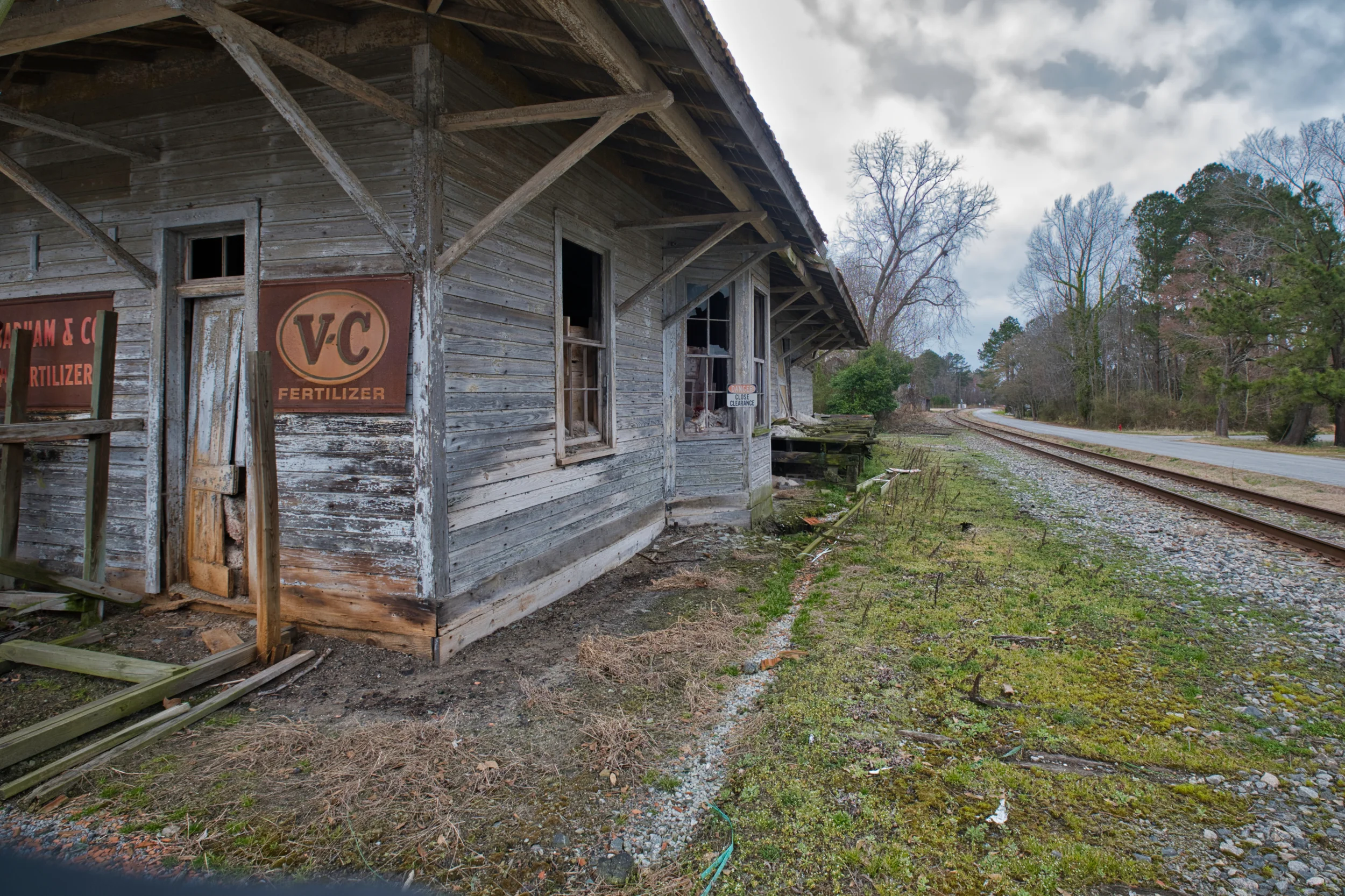
There is no “next train” for the abandoned station in the village of Capron. Once a vital link between the coast in Portsmouth, Virginia and Danville linking several smaller towns and villages, the Atlantic and Danville RR opened in 1892 after it was begun in 1890. The company went bankrupt in 1960 and was purchased by the Norfolk and Western Railway in 1962. The N&W created a new subsidiary, the Norfolk, Franklin and Danville Railway, to operate the A&D line. That one is gone as well. Now decaying buildings and rusting tracks mark the time of another era.
“Taste and see that the Lord is good. Oh, the joys of those who take refuge in him! Fear the Lord, you his godly people, for those who fear him will have all they need. Even strong young lions sometimes go hungry, but those who trust in the Lord will lack no good thing.” Psalm 34:8-10 NLT
Gone Fish'n /
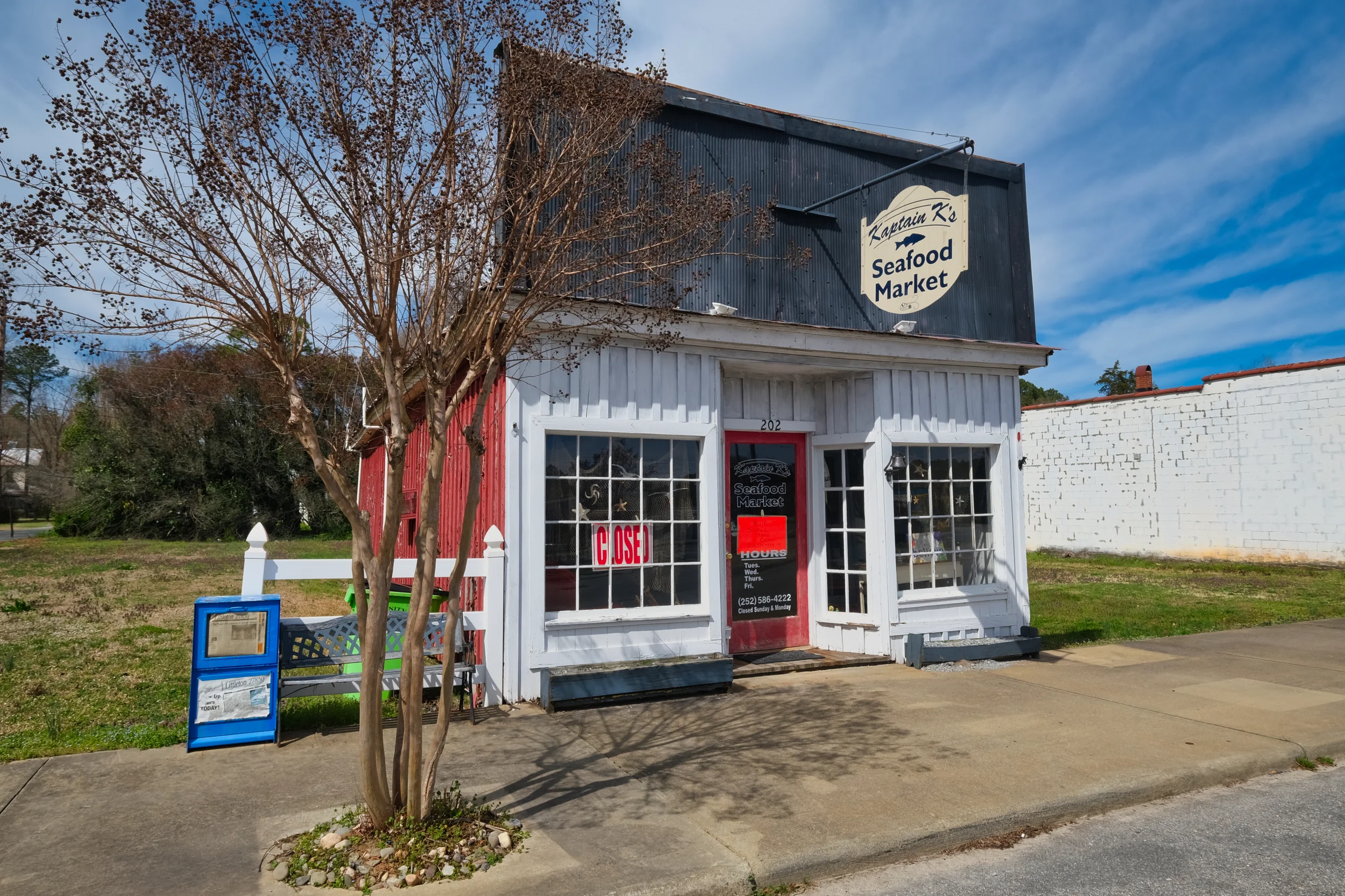
Time to restock the tiny store on E. North Main Street of the village of Littleton, NC. This town is located south of Lake Gaston on US 158 between Roanoke Rapids and I-85. I like this quiet way to come home from the RR area.
Sherman /
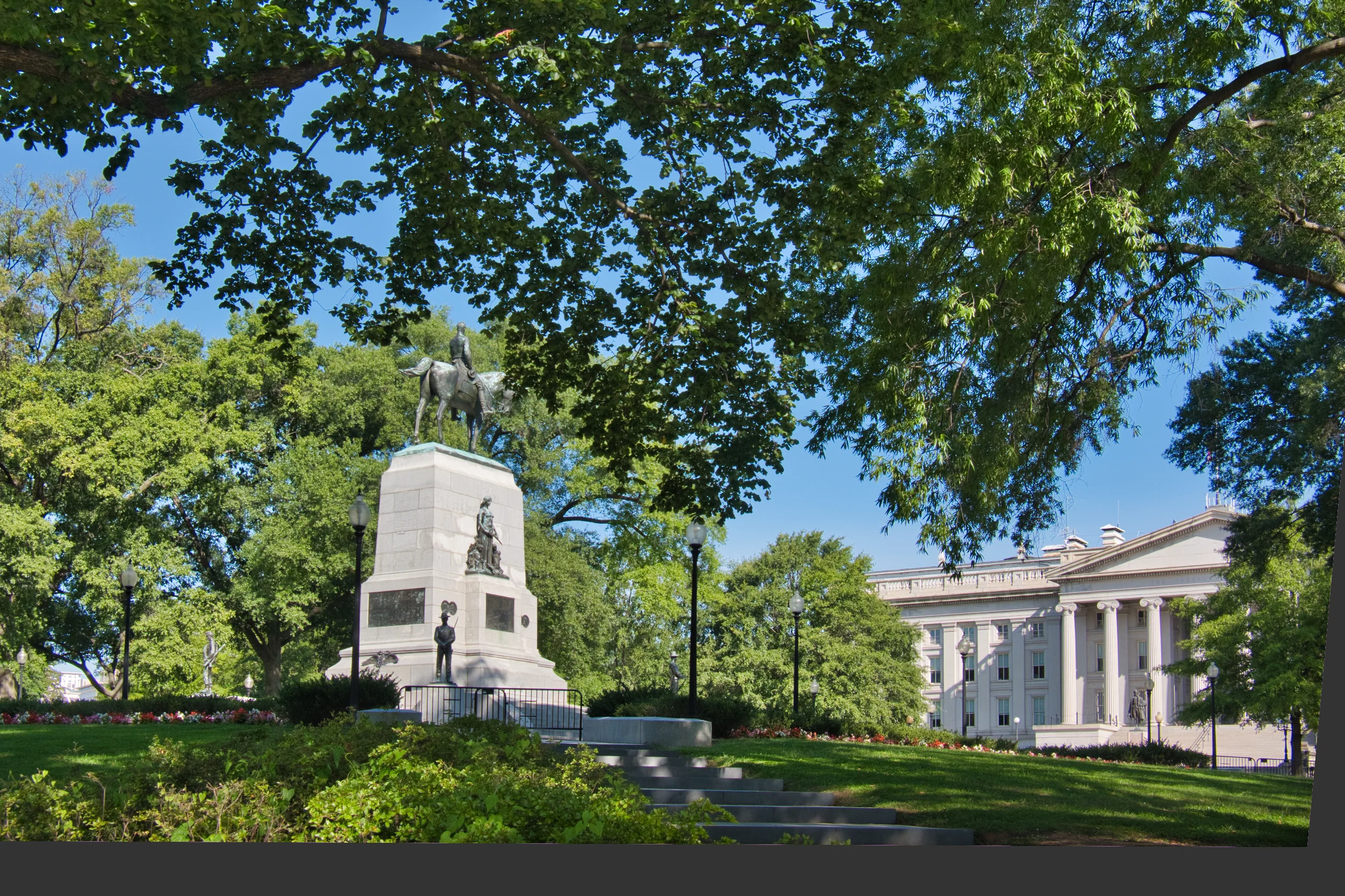
This is one of the many “pocket” parks in DC managed by the NPS. It is the statue of William Tecumseh Sherman, Civil War era general and famous for his “March to the Sea” cutting a wide swath of destruction in the South. You cannot walk up to the statue any longer, the rules of access to the area have tightened security and since 9/11 it is off limits. You can see the White House and the proximity to the statue. Still worthwhile to make the effort to see the scores of interesting statues that dot the District.
White House
Capitol Hill Parks
Grey Lady /
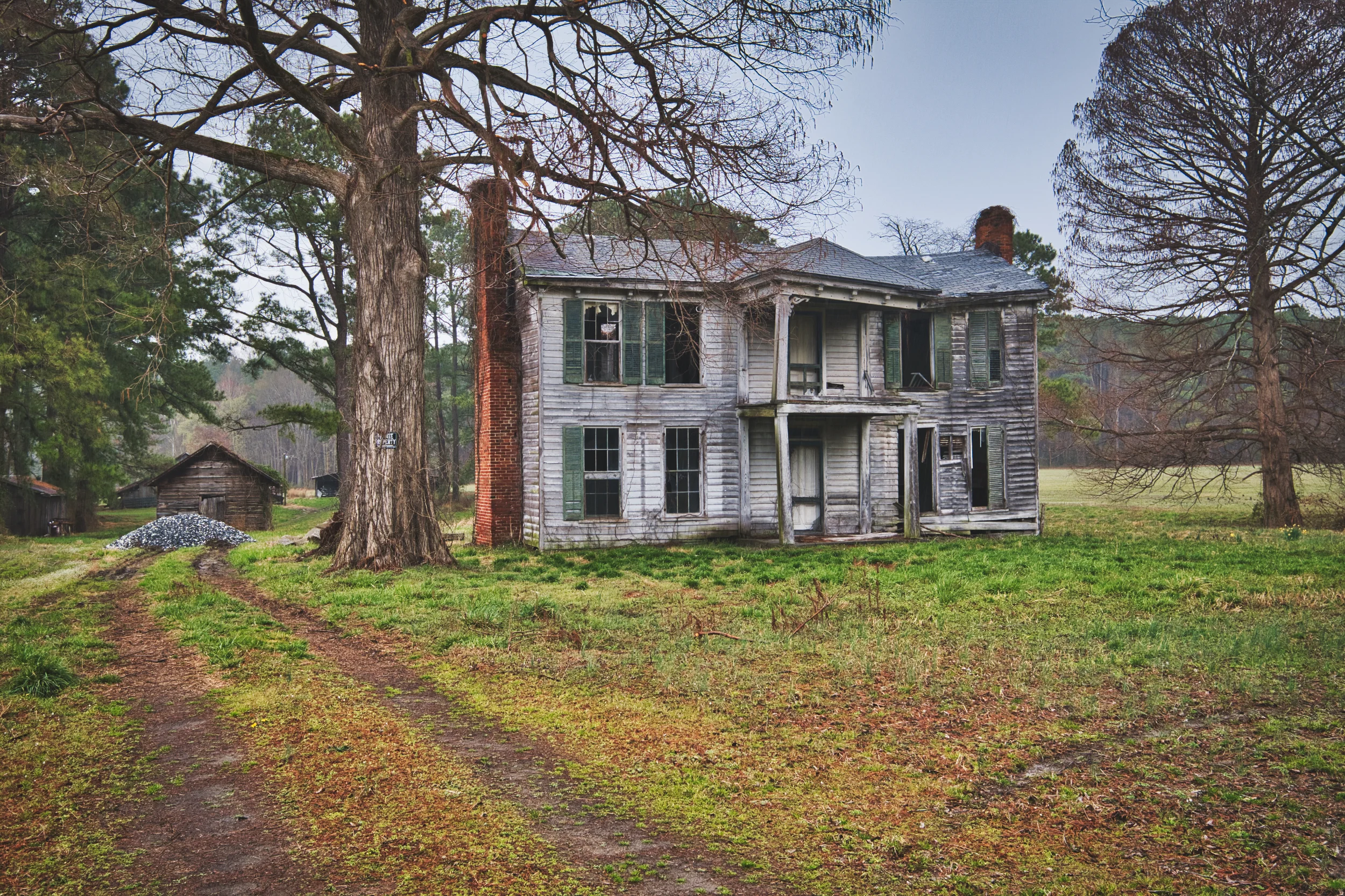
You can still sense the past vitality of this once stately home south of the James River in Suffolk, VA. The upper porch is not going to survive the next strong wind, the roof line is beginning to sag and that will hasten the fall of the house as more weather and wind gains access. The windows are largely intact and you can see some “things” still inside. The massive tree on the left might pre-date the home. Once a working farm - and one I imagine filled with hard work and lots of kids. Would be great to know more of its story. But for me at least, a nice photo opportunity in the midst of a light rain on a Friday afternoon spent photographing in small towns along old railroad tracks. More later.
Yay, Spring /
Welcome, we have missed you. Your appointment is scheduled for 5:58 p.m.

Not My Photo! /
The “secret city” of Oak Ridge where part of the atom bomb was developed - the Manhattan Project, was a gated, fenced quasi-military complex and one thing absolutely forbidden was a camera. No matter who you were no cameras were allowed inside the gates. Except one. Ed Westcott was the official and only photographer for years in Oak Ridge, He photographed the famous, the experiments, and the scores of people living and working behind the gates. He photographed Oppenheimer and high school dances, Secretary of States Stinson and kids sledding, experiments in the labs and joyous celebration at the end of the war. He took and developed in four years over 15,000 photos, good, carefully composed photos and he was 20 years old when he started. Think about this every photo you have ever seen about Oak Ridge from its start in 1942 to the beginning of declassification in 1946, Ed took.
https://exploreoakridge.com/blog/photography-of-ed-westcott
Manhattan Project NHS
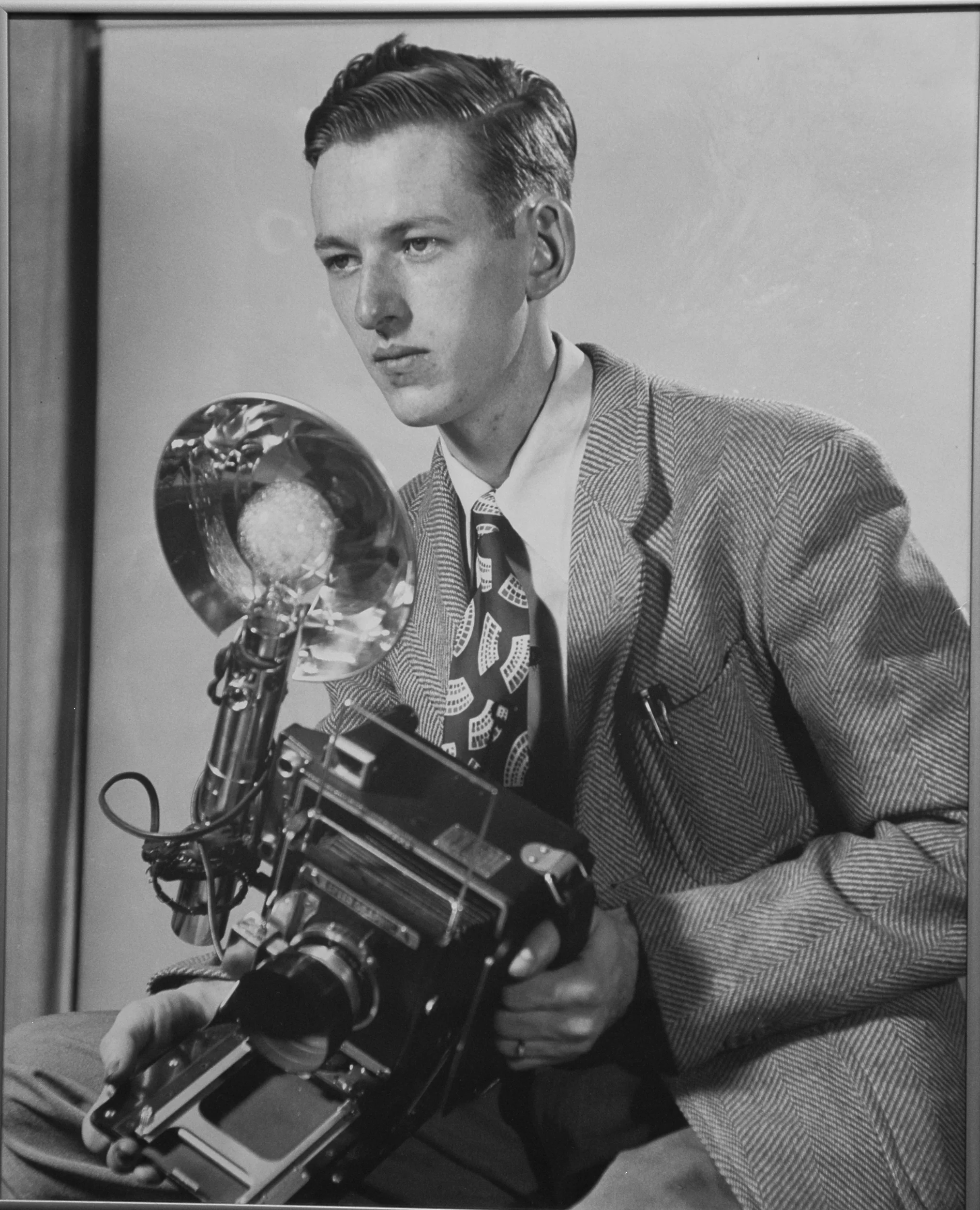
Actually it is my photo of a photograph of Ed the photographer:)
Cost /
A quiet oasis in the midst of the cacophony of traffic, tourists (of whom I was one) and aircraft lifting and landing. The Korean War Memorial is not the most visited in DC, certainly not one of the more photographed but one of the more serene in contrast to any day, any hour of the war it commemorates.
I hope your week is more meditative as this photo and less like the chaos that surrounds it.
Korean War Memorial

A Little Green Today /
These aspens are putting on a little green, appropriate for the 17th of March. Despite the green beer, leprechauns and four leaf clovers, St. Patrick was an amazing man well deserving of honor as an evangelist and, as one books phrases it, the key role in “How the Irish Saved Western Civilization.”
“But you should keep a clear mind in every situation. Don’t be afraid of suffering for the Lord. Work at telling others the Good News, and fully carry out the ministry God has given you.” 2 timothy 4:5 NLT
Great Basin National Park, Nevada

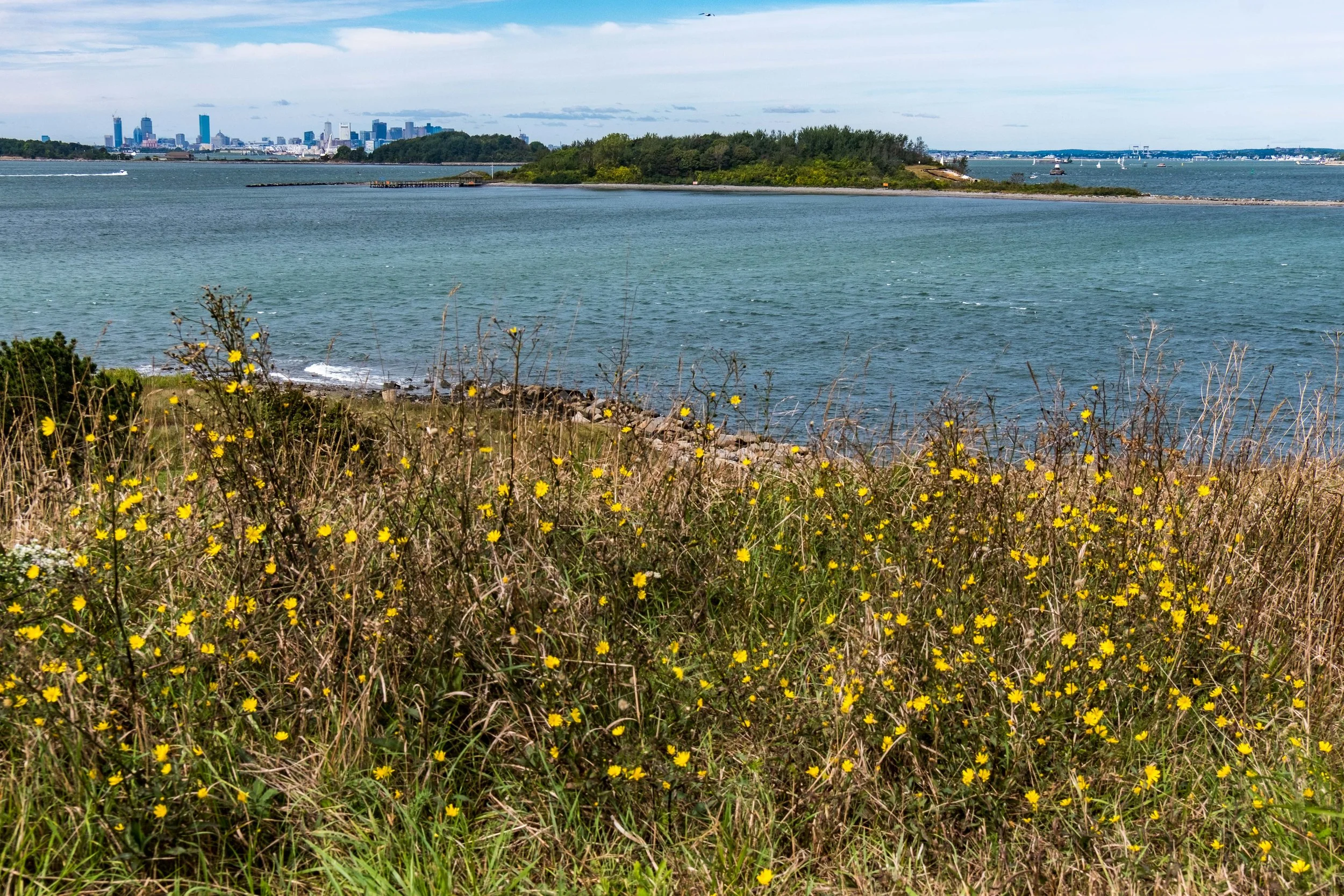
Skyline /
Boston viewed from Georges Island a part of the Boston Harbor Islands National Recreation Area. Georges is one of three with 19th century forts.
Boston Harbor Islands NRA
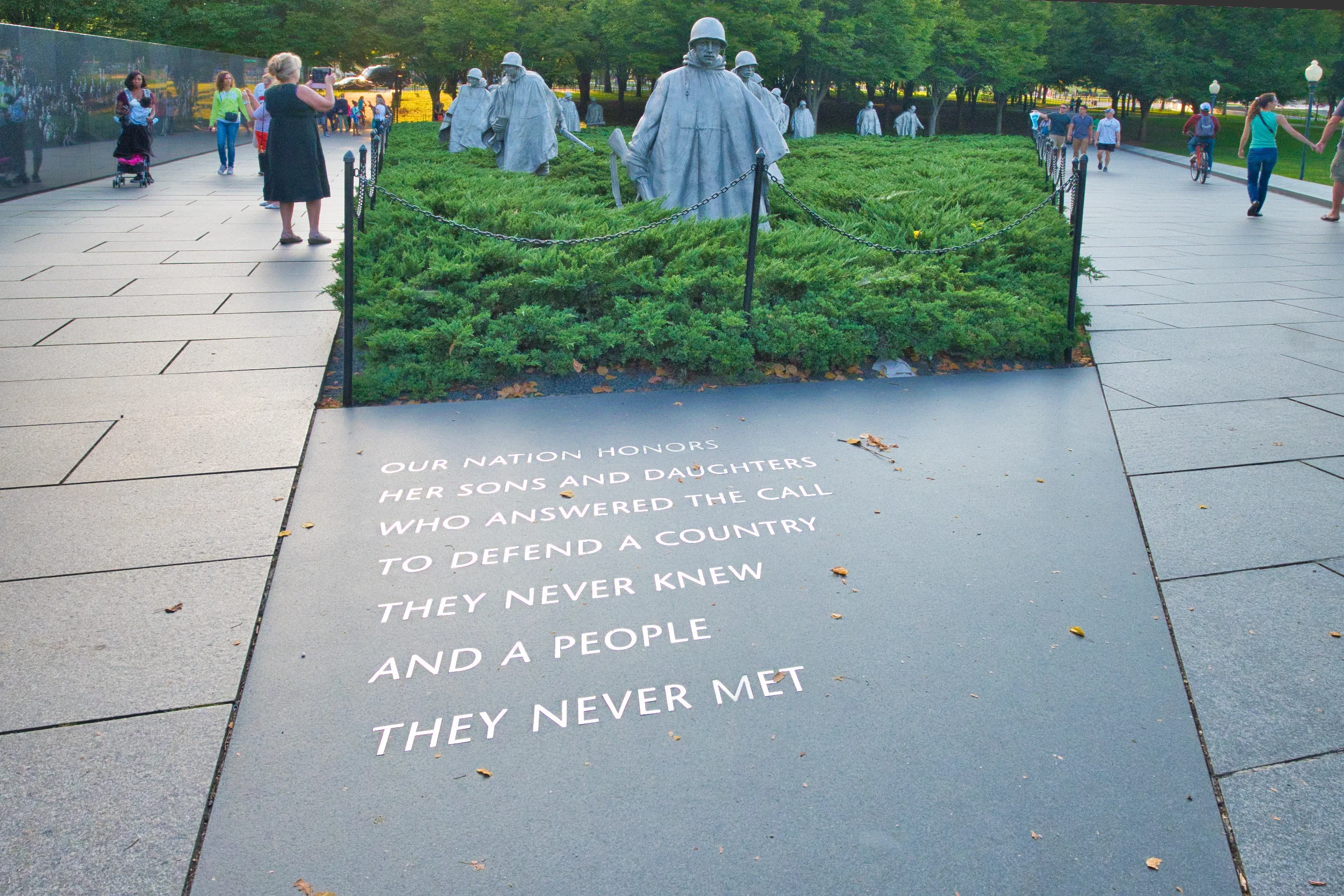
Frozen /
The color of these statues and the fact that they are frozen in mid-stride is a reflection of the harsh winter conditions where these men fought. It was the brutal cold that most of the books I have read made so vivid in the stories of this war. Hero’s all.
Korean War Memorial
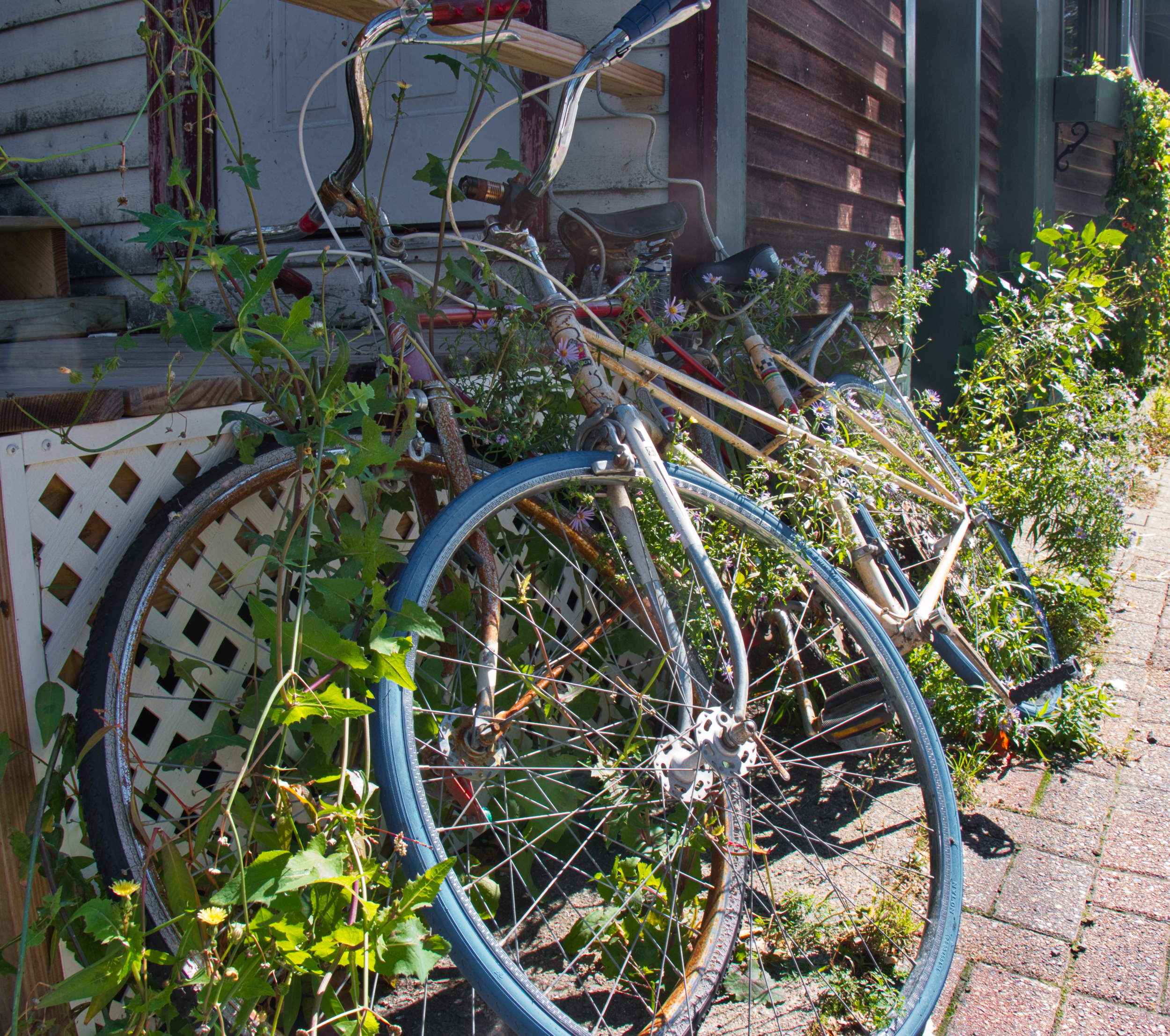
Where? /
I KNOW I parked that bike here somewhere!
Bar Harbor, Maine
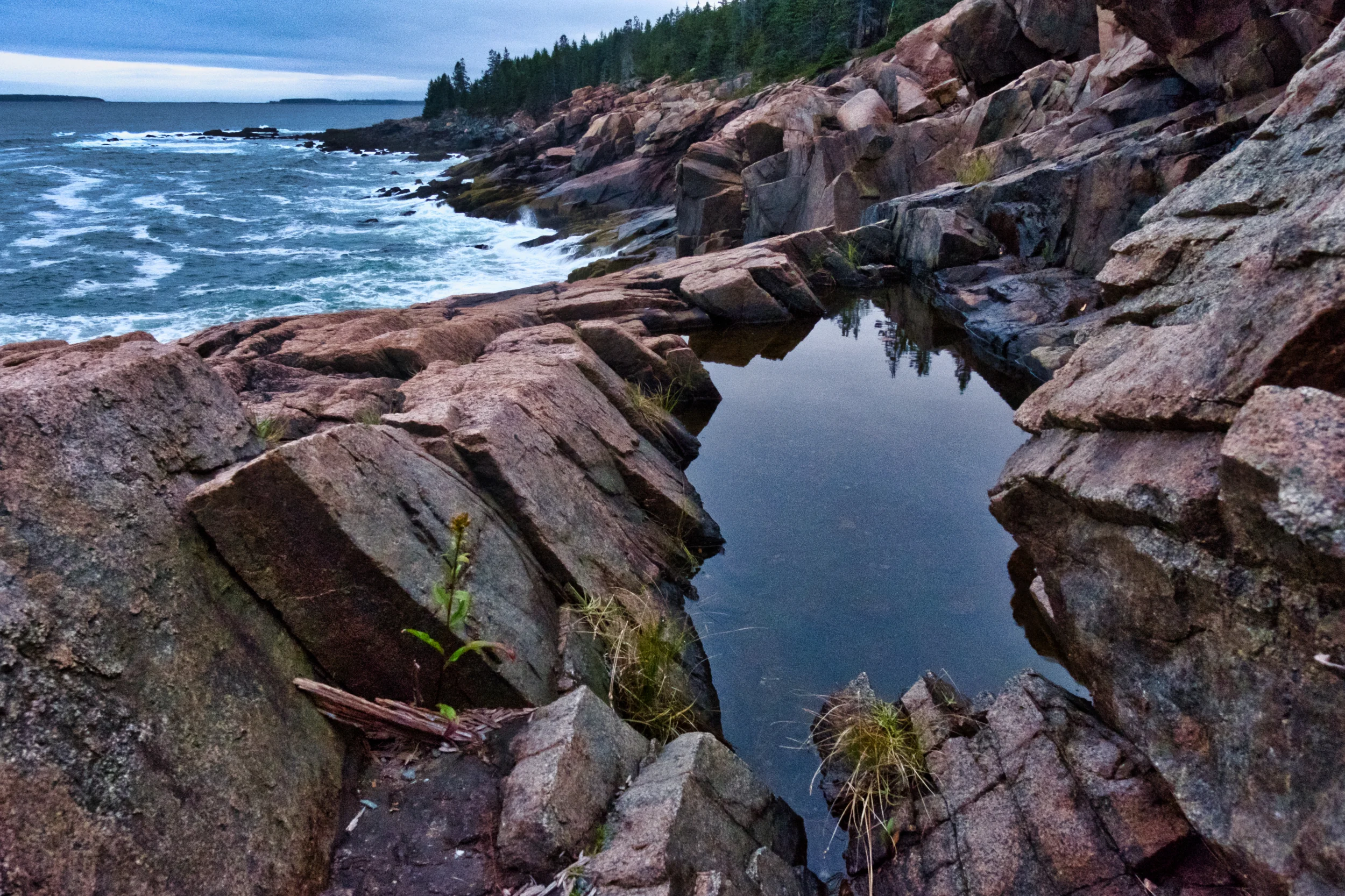
Moody Day /
Walking along the coast beside the Ocean Drive at Acadia. The day was off and on rain and windy, certainly cool but even so the place is beautiful and you feel renewed here.
Acadia National Park
Monument & Memorial /
The Korean War was fought in the early 1950’s and ended with an armistice that created the Korean Demilitarized Zone along the 38th parallel. The war is technically not ended and potential conflict points are still dangerous. South Korea has become a prosperous industrial nation and the North frozen in the past and barely able to sustain itself.
Korean War Memorial
Washington Monument (background)

Cold Water /
This is another of the Redrock Falls near the Many Glacier area of Glacier National Park. The stream is fed from several glaciers high up in the mountains and it is really cold. And a very neat teal color. This was a nice short hike, about 2 miles but it was a cold day and the weather was getting worse, by morning it was high 20’s and snowing. Not too bad for the end of June. We hope to stop here on the Alaska trek.
Glacier National Park

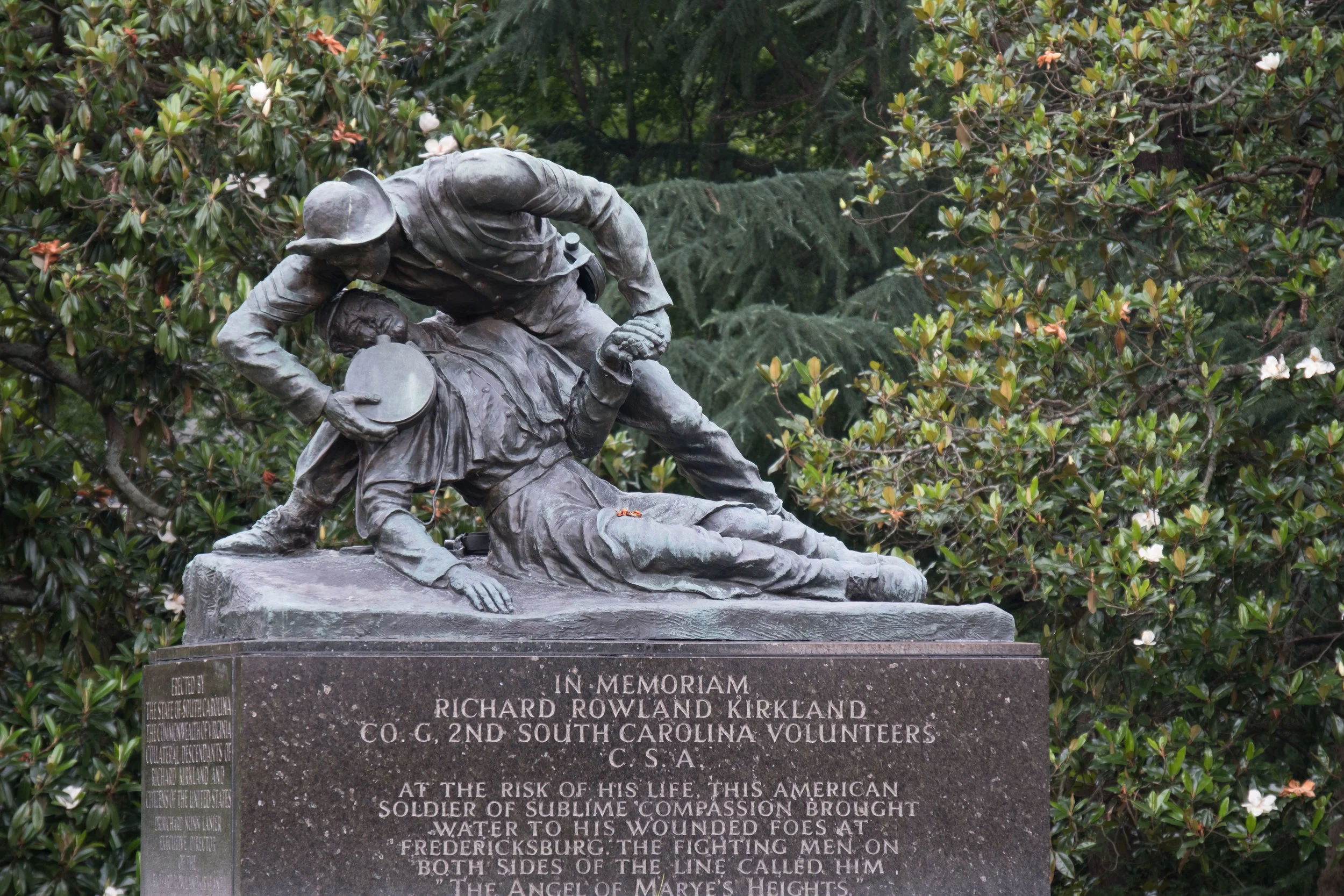
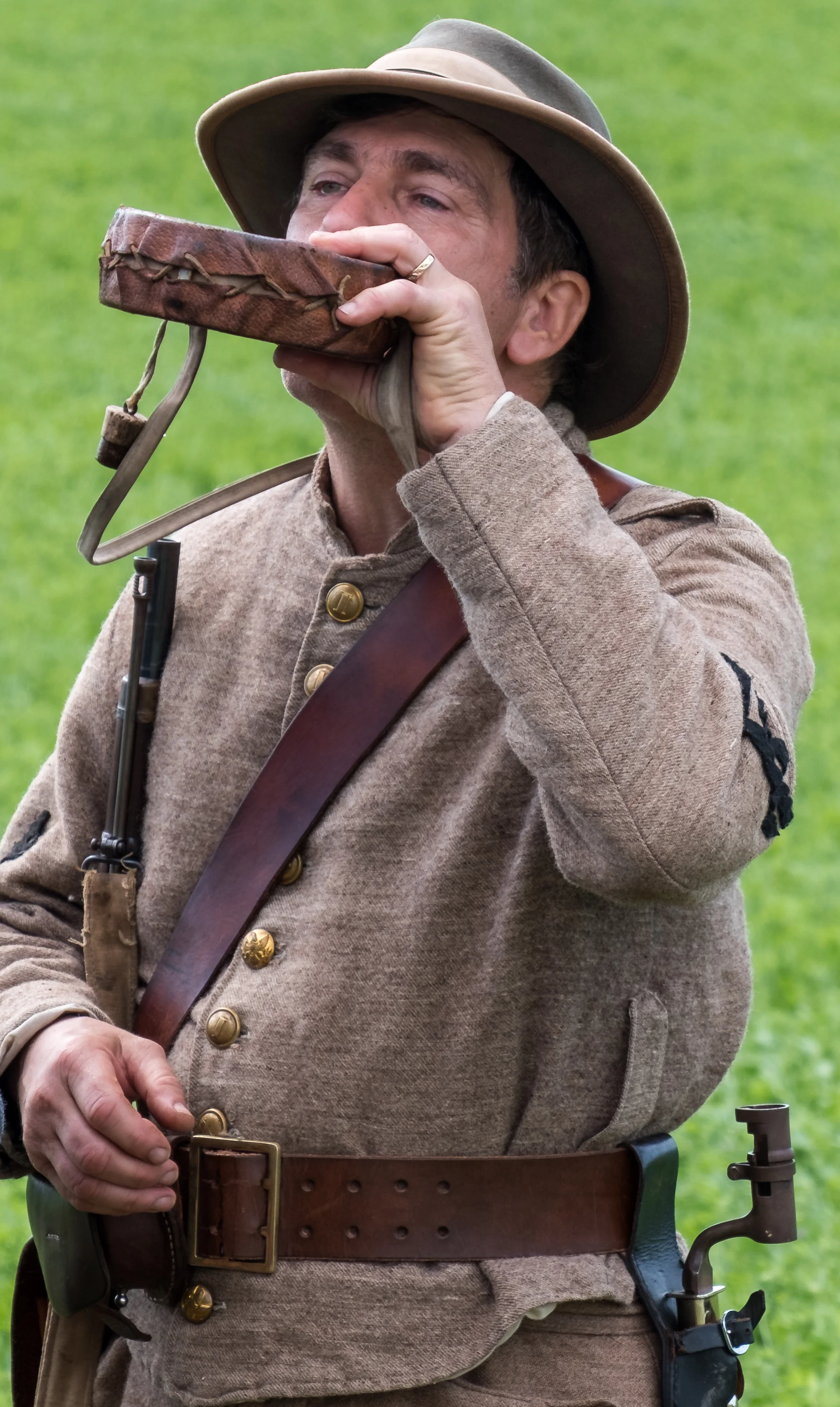
Thirsty (2 photos) /
The first photo is a monument to the Angel of Saint Marye’s Heights. He provided water to wounded troops from either side at great personal risk. The second is a reenactor who just needed a drink on a hot afternoon demonstrating close order drills.
Fredericksburg National Battlefield Park
Monocacy National Battlefield
“Jesus replied, “If you only knew the gift God has for you and who you are speaking to, you would ask me, and I would give you living water.” John 4:10 NLT
Not Quite Ready /
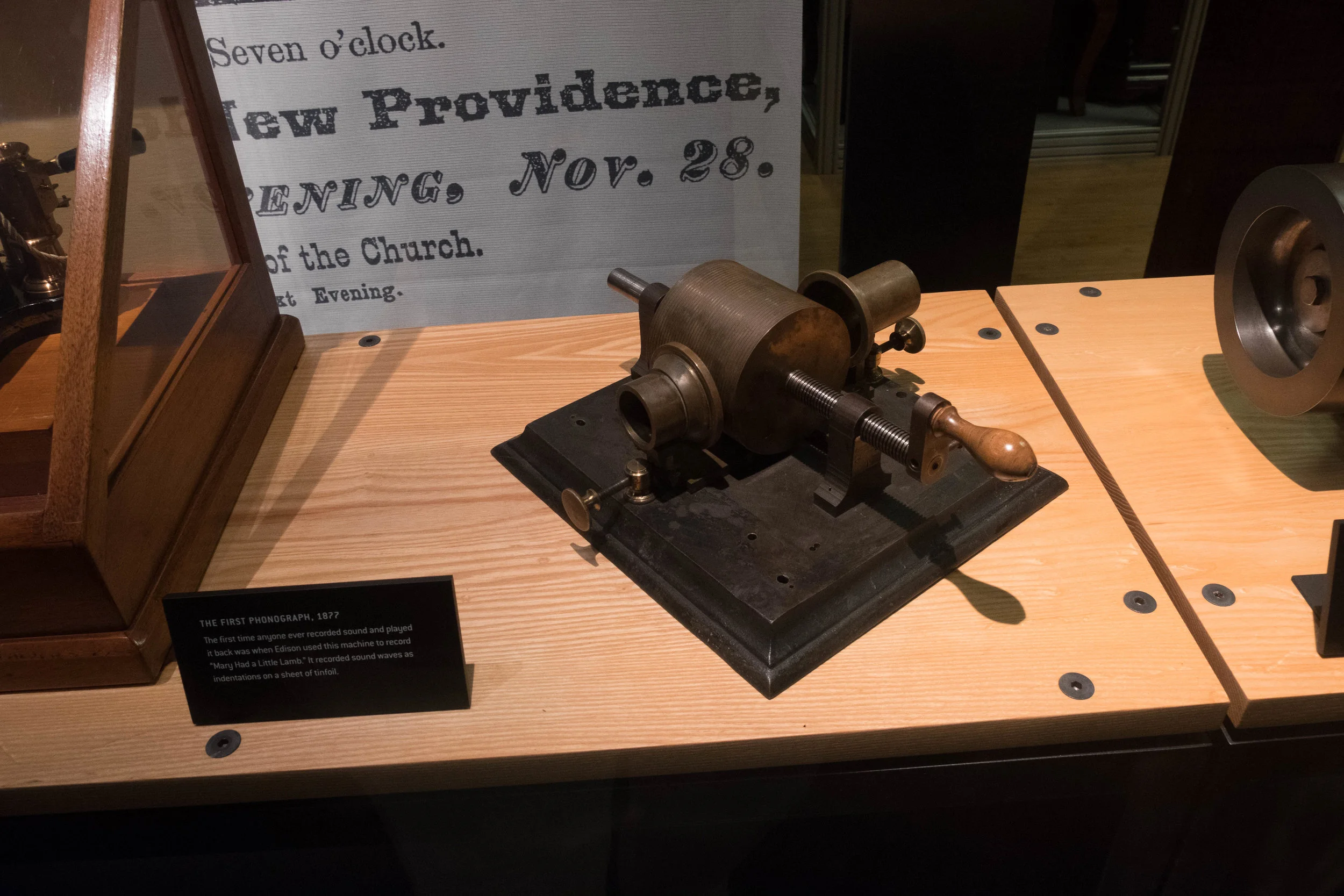
This is the first device Edison invented that recorded sound, ie the first iPod - or record player, or phonograph. Well, the prelude to all of those is this device that used a tin cylinder. I don’t think Edison would be too amazed with what we have now that he first explored, I believe if he were to “come back” he would expect that years later things would be different and better. I actually think the first thing he would do is take one apart and begin to understand how to make it better.
Thomas Edison NHS